
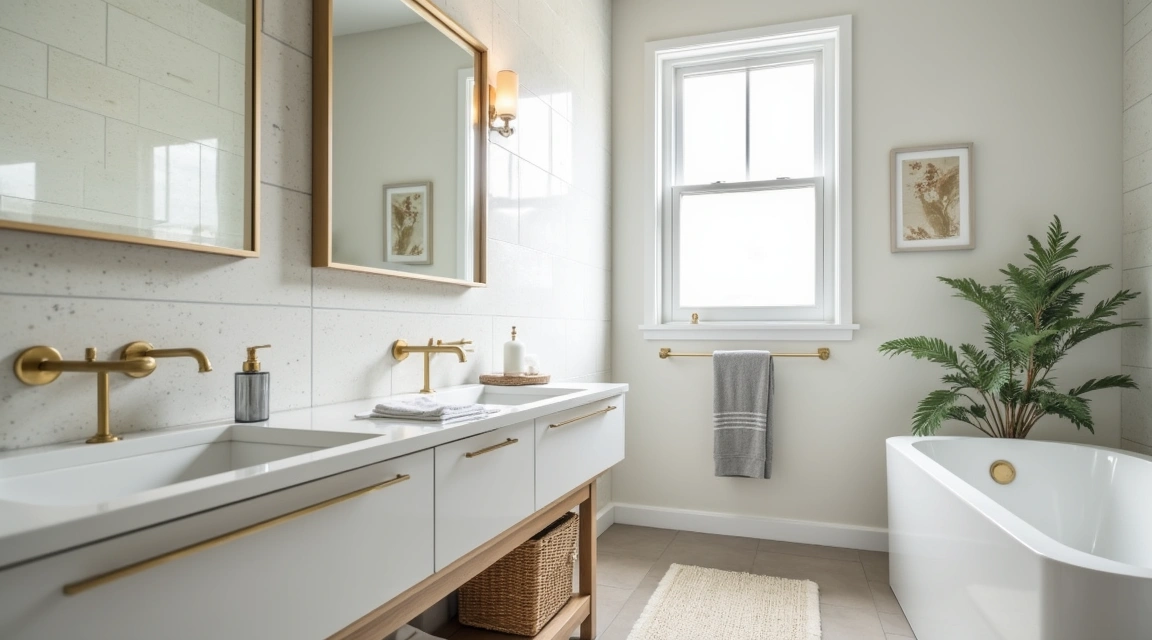
Busy families know the daily bathroom struggle: toothbrushes scattered across the counter, towels piled on the floor, hair products spilling from overcrowded shelves, and children’s bath toys colonizing every available surface. When multiple people share one or two bathrooms, storage becomes the difference between morning chaos and manageable routines. This guide presents practical bathroom storage upgrade ideas designed specifically for households juggling school schedules, work commutes, and the endless cycle of laundry and personal care items.
Unlike aspirational magazine spreads featuring minimalist vanities and empty countertops, these recommendations acknowledge real family life. They focus on solutions that withstand daily use, accommodate changing needs as children grow, and actually help multiple people prepare for their day without creating bottlenecks or arguments over space.
Essential Criteria for Family Bathroom Storage
Before investing in any storage upgrade, consider how your family actually uses the bathroom. Effective family storage differs fundamentally from single-occupant or guest bathroom organization. The following criteria help separate practical solutions from wasted money:
Accessibility at multiple heights: Storage must serve everyone from toddlers to adults. Children who can reach their own toothbrush and towel develop independence and reduce demands on parents during hectic mornings. Adjustable shelving or tiered storage systems accommodate this need better than fixed installations at adult height only.
Durability and moisture resistance: Family bathrooms experience heavy use and constant humidity. Storage solutions must withstand wet hands, splashed water, steam from showers, and the occasional impact from dropped bottles or swinging towel racks. Materials like sealed wood, quality plastic, stainless steel, or powder-coated metal outlast cheaper alternatives that warp, rust, or crack within months.
Quick-access design: Morning routines operate on tight schedules. Storage that requires opening multiple containers, moving other items aside, or climbing on step stools creates delays and frustration. The most frequently used items need single-motion access, while seasonal or backup supplies can occupy less convenient spaces.
Visual organization: When everyone can see where items belong, they’re more likely to return them. Clear containers, labeled sections, color-coded towels, and dedicated zones for each family member reduce the “Where’s my hairbrush?” questions that interrupt morning preparation.
Flexibility for changing needs: Children’s bathroom needs evolve rapidly. Modular systems that adapt as kids move from bath toys to skincare products provide better long-term value than purpose-built storage locked into one configuration. Consider whether your solution can grow with your family or will require replacement in three years.
Comparison of Popular Family Storage Upgrades

| Storage Solution | Installation Difficulty | Typical Investment | Best For | Limitations |
|---|---|---|---|---|
| Over-toilet shelving units | Low (freestanding or simple mounting) | Budget to moderate | Renters, small bathrooms, storing backup supplies and towels | Limited depth, not ideal for heavy items or items needing frequent access |
| Recessed medicine cabinets with lighting | High (requires wall opening, electrical work) | Moderate to high | Homeowners planning long-term stay, bathrooms with suitable wall cavities | Fixed location, installation cost, may hit studs or plumbing |
| Vanity replacement with deeper drawers | High (plumbing disconnection, installation, possible floor/wall repair) | High | Major remodels, bathrooms with inadequate under-sink storage, long-term homes | Significant cost and disruption, reduces bathroom use during installation |
| Tension-rod shower caddies and corner shelves | Very low (no tools required) | Budget | Renters, immediate needs, shower/tub product organization | Limited weight capacity, can slip if not tensioned properly, rust potential |
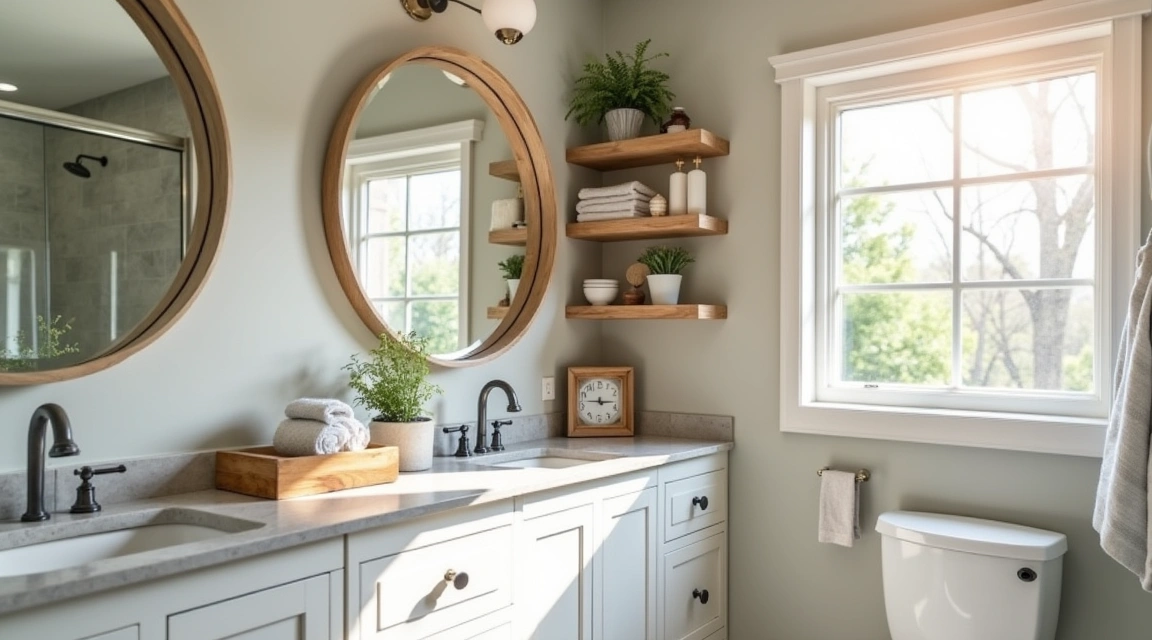
| Wall-mounted floating shelves | Moderate (requires finding studs or using appropriate anchors) | Budget to moderate | Displaying towels and decorative storage bins, utilizing vertical space | Depth limitations, items must be visually organized or area looks cluttered |
| Rolling storage cart | None (ready to use) | Budget | Bathrooms with floor space, organizing children’s bath items, mobile storage | Takes floor space, can be knocked over by small children, may not fit all bathroom layouts |
This comparison reveals that no single solution dominates all categories. The right choice depends on your ownership status, budget, timeline, and specific bathroom configuration. Renters benefit most from removable options, while homeowners can consider permanent installations that add property value. Families with young children often combine several budget-friendly solutions rather than waiting to save for one expensive upgrade.
Recommendations by Family Type
For families with young children (ages 2-8): Prioritize low-mounted storage that children can access independently. A rolling cart positioned near the tub provides an excellent home for bath toys, children’s shampoo, and washcloths. Choose carts with drainage holes or mesh baskets to prevent standing water and mildew. Pair this with over-toilet shelving for adult products and backup supplies kept out of reach. Hooks mounted at child height encourage kids to hang their own towels, while higher hooks serve adults. This combination costs relatively little, adapts as children grow, and immediately reduces bathroom clutter.
For families with teenagers: Individual storage zones become critical when teenagers develop extensive personal care routines. Consider a vanity upgrade with multiple deep drawers that can be assigned to different family members, or install separate wall-mounted storage for each person. Teenagers respond well to defined territories, reducing the “someone used my stuff” conflicts that plague shared bathrooms. If vanity replacement exceeds your budget, stackable drawer units placed under the existing sink or in a linen closet provide similar benefits. Mirror cabinets with internal organization systems work particularly well for makeup, skincare, and grooming tools that accumulate during these years.
For families in rental properties: Focus exclusively on solutions that install without permanent modification. Tension-mounted shower storage, over-toilet etageres, and rolling carts deliver immediate organization without risking security deposits. Command hooks and adhesive organizers designed for bathroom use provide additional options, though verify weight limits carefully. Many renters overlook vertical door space; over-the-door organizers with pockets or hooks effectively store hair tools, cleaning supplies, and extra toiletries. When you move, these solutions transport easily to your next home.
For families planning bathroom remodels: If you’re already undertaking a bathroom remodeling project, maximize the opportunity by installing recessed storage wherever possible. Recessed medicine cabinets, shower niches at multiple heights, and built-in vanity organizers provide storage without consuming floor or wall space. Specify drawers instead of cabinet doors under the vanity; drawers with divider systems keep items visible and organized rather than creating the jumbled mess typical of under-sink cabinets. Include toe-kick drawers beneath the vanity for flat items like bath mats and scale storage. Plan electrical outlets inside drawers for hair tools and electric toothbrushes, eliminating counter cord clutter.
Implementation Sequence and Hidden Considerations
The most successful bathroom storage upgrades follow a logical implementation sequence rather than random purchasing. Begin by decluttering and discarding expired products, broken items, and things nobody uses. Many families discover they don’t need more storage; they need to remove the half-empty shampoo bottles and ancient makeup occupying prime real estate. This step costs nothing and immediately improves function.
Next, observe your family’s actual usage patterns for one week. Note which items everyone needs during morning preparation, which products sit untouched, and where bottlenecks occur. This observation period reveals whether your family needs more drawer space, better shower organization, or simply hooks in more convenient locations. Skip this step, and you risk buying storage solutions that address imagined problems rather than real ones.
Once you understand your specific needs, prioritize solutions that address your biggest pain point first. If mornings are chaotic because everyone’s towels pile on the floor, start with a hook or towel bar solution. If you’re constantly searching for items lost in under-sink chaos, begin there with drawer organizers or pull-out bins. Solving one significant problem delivers immediate quality-of-life improvement and builds momentum for additional upgrades.
Consider maintenance requirements before purchase. Storage solutions that trap water, accumulate soap scum in hard-to-reach corners, or require weekly reorganization sound practical in the store but become ignored burdens at home. Choose designs you can wipe down quickly, that drain properly, and that maintain organization with minimal ongoing effort. Busy families need storage that works with their habits, not solutions that demand behavioral changes unlikely to stick.
Factor installation time realistically. Projects that interrupt bathroom access during school mornings or work-from-home days create stress that outweighs their benefits. Schedule installations during weekends, school breaks, or times when alternative bathrooms are available. If hiring professionals, confirm their timeline and whether they’ll leave the bathroom functional overnight, particularly for toilet and sink work.
Measuring Success and Iterating
After implementing storage upgrades, evaluate their effectiveness after two weeks of use. Successful family bathroom storage shows these signs: items consistently return to their designated spots, morning preparation time decreases, family members can find what they need without asking, and the space looks reasonably organized even after everyone has used it. If items still pile on counters or family members bypass new storage systems, the solution doesn’t match your actual patterns.
Don’t hesitate to adjust. Storage that seems perfect in theory but doesn’t work in practice should be modified or replaced while you’re still motivated. Perhaps the over-door organizer blocks the door from opening fully, or the drawer dividers create sections too small for your actual bottles. Small tweaks often transform a marginal solution into one that finally clicks.
Remember that bathroom storage needs evolve. A system perfect for your current family stage may need adjustment as children grow, family members move out, or household routines change. Build-in flexibility where possible and view storage as an ongoing optimization rather than a one-time project you must get perfectly right.
The bathroom storage struggle facing busy families has practical solutions that don’t require Pinterest-perfect results or major construction. Start with understanding your specific pain points, choose solutions appropriate to your ownership status and budget, and implement changes in priority order. The goal isn’t magazine-worthy perfection but functional improvement that makes daily life measurably easier for everyone sharing the space.