

When planning a kitchen or bathroom remodel, understanding what to ask contractors about their cost estimates can save you thousands of dollars and prevent serious headaches down the road. A detailed estimate is more than just a bottom-line number—it’s a roadmap that reveals how a contractor works, what they prioritize, and whether their approach aligns with your expectations. This guide walks you through the essential questions to ask and the comparison points that matter most when evaluating remodeling bids.
Before you contact your first contractor, gather inspiration photos, measurements of your space, and a realistic sense of your budget range. Having this preparation complete will help you ask more focused questions and receive more accurate estimates in return.
Understanding What Should Be Included in Every Estimate

A complete remodeling estimate should break down costs into clear categories rather than presenting a single lump sum. Start by asking contractors to itemize labor, materials, permits, and any subcontractor fees separately. This transparency lets you compare apples to apples when reviewing multiple bids.
Step 1: Request a written estimate that lists each phase of work. A kitchen remodel estimate should specify demolition, rough plumbing, electrical work, drywall, cabinetry installation, countertop fabrication, flooring, painting, and final fixtures as separate line items. Caution: If a contractor resists providing this level of detail, consider it a red flag—you need visibility into where your money is going.
Step 2: Ask whether the estimate includes a contingency fund. Most experienced contractors build in a reserve of 10 to 20 percent for unexpected issues like hidden water damage or outdated wiring that doesn’t meet current code. Caution: If no contingency is mentioned, clarify how additional costs will be handled in writing before signing any contract.
Step 3: Confirm what materials are specified in the estimate. Generic labels like “cabinets” or “tile” aren’t enough—you need brand names, model numbers, finishes, and quantities. Ask for manufacturer spec sheets or product links for major items. Caution: Vague material descriptions often lead to disputes when the installed product doesn’t match your expectations.
If you’re comparing estimates across different scopes of work, explore our Remodeling Cost Estimates section for guidance on standard pricing categories and typical cost breakdowns.
Key Questions to Ask Every Contractor During Estimate Discussions
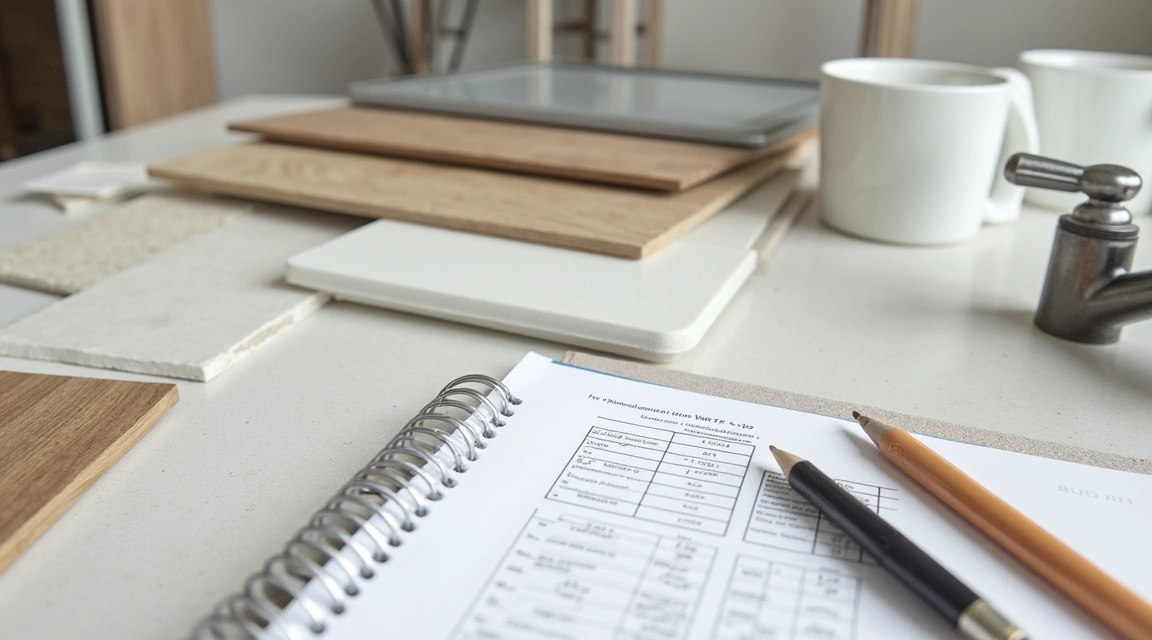
Once you have a written estimate in hand, schedule a conversation to dig deeper. These questions reveal how the contractor thinks and whether they’ve truly considered your project’s unique challenges.
Step 4: Ask about the project timeline and how it affects the estimate. Request a detailed schedule showing when each trade will be on site and how long each phase takes. Inquire whether the contractor manages multiple projects simultaneously and how that might affect your completion date. Caution: An unusually short timeline may indicate corners will be cut, while an excessively long one could mean poor project management.
Step 5: Clarify what happens if you make changes mid-project. Request the contractor’s change order process in writing, including how additional costs are calculated and documented. Ask whether design changes, upgraded materials, or scope adjustments use time-and-materials billing or fixed markup percentages. Caution: Without a clear change order system, you risk surprise bills that balloon your final cost.
Step 6: Discuss payment schedules and deposit requirements. Reputable contractors typically request a deposit of 10 to 30 percent, followed by progress payments tied to completed milestones—not calendar dates. Ask for a written payment schedule that aligns payments with verifiable work completion, such as “30 percent upon framing inspection approval” rather than “30 percent on March 15th.” Caution: Never pay the full amount upfront, and be wary of contractors who demand large deposits before ordering materials or beginning work.
Critical Comparison Points Between Multiple Estimates
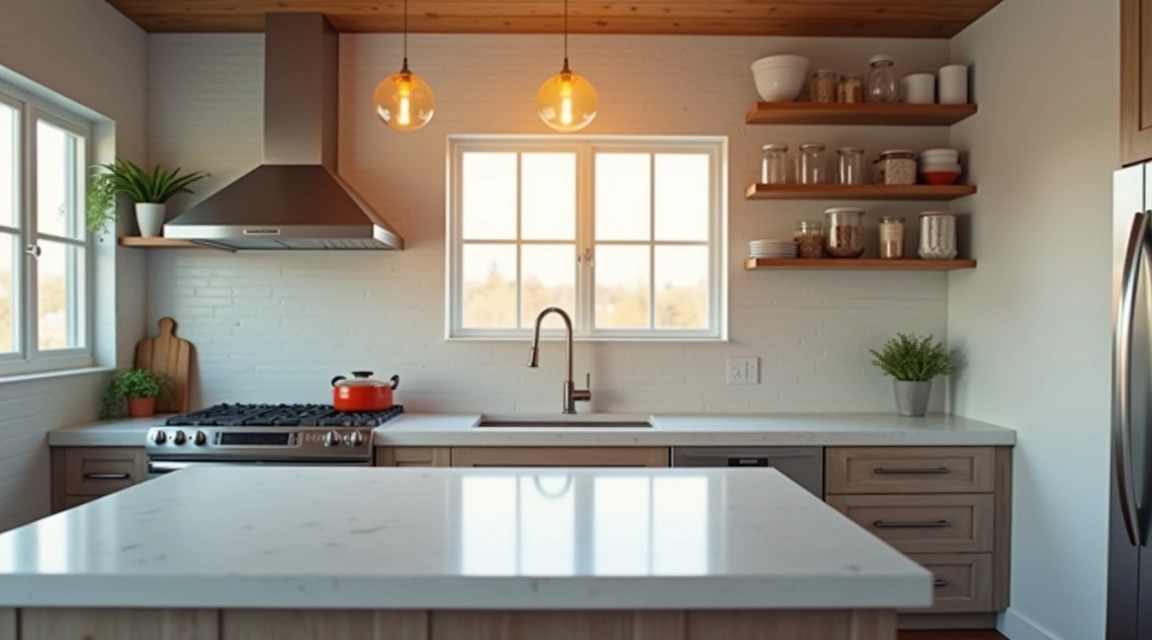
With estimates from three or more contractors, you can begin meaningful comparison. Don’t simply choose the lowest number—context matters enormously.
Start by examining the scope of work paragraph by paragraph. One estimate might include removing and disposing of old cabinets while another lists it as “owner responsibility.” One might include temporary kitchen setup during renovation while another assumes you’ll manage without a functional kitchen for weeks. Create a spreadsheet listing every task mentioned in any estimate, then mark which contractors include it in their base price, offer it as an add-on, or omit it entirely.
Compare warranty terms carefully. Ask each contractor what warranty they provide on their workmanship (typically one to five years) and how manufacturer warranties on products like appliances, cabinets, and fixtures are transferred to you. Request this in writing. Some contractors offer extended service agreements or will return for minor adjustments after project completion at no charge—these services have real value even if they don’t appear as line items.
Evaluate insurance and licensing credentials. Every contractor should carry general liability insurance and workers’ compensation coverage. Request certificates of insurance and verify them directly with the insurance company. Check that licenses are current and appropriate for your project type. Some municipalities require specific remodeling licenses beyond general contractor credentials. Confirm that permit costs are included in the estimate and ask who will pull the permits—you want the contractor responsible for this.
Assess how each contractor handles subcontractors. Ask whether electricians, plumbers, tile setters, and other specialists are employees or independent subcontractors. Request the names of subcontractors who will work on your project and verify their licensing and insurance separately. Some contractors mark up subcontractor costs by 15 to 35 percent as a project management fee—this is standard practice, but you should understand the structure.
Consider payment protection mechanisms. Some jurisdictions require contractors to offer payment bonds on larger projects, and some contractors voluntarily use escrow accounts where funds are released only after work passes inspection. These protections benefit both parties and demonstrate professionalism.
Common Mistakes Homeowners Make When Comparing Estimates
Even careful homeowners fall into predictable traps during the estimate comparison process. Being aware of these pitfalls helps you avoid them.
Choosing based solely on price is the most common error. The lowest bid often reflects cut corners, inexperienced labor, inferior materials, or a contractor who underestimated the work and will demand change orders later. Instead, look for estimates clustered in a similar range and investigate why any outlier is significantly higher or lower.
Failing to check references thoroughly is another frequent mistake. Don’t just ask for references—actually call them and ask specific questions about budget adherence, communication quality, cleanliness, problem-solving, and whether they’d hire the contractor again. If possible, visit completed projects in person to evaluate workmanship quality.
Ignoring communication style during the estimate process often predicts future frustration. If a contractor is slow to respond, vague in explanations, or dismissive of your questions before you’ve signed a contract, those behaviors will likely intensify once work begins and they have your deposit.
Overlooking permit and code compliance can create serious legal and financial consequences. Some contractors offer lower bids by skipping permit processes, which can void your homeowner’s insurance, make your home difficult to sell, and expose you to fines. Always insist on proper permitting even if it adds cost and time to the project.
Neglecting to document everything in writing leaves you vulnerable. Verbal promises about upgrade options, completion dates, or included services have no legal weight. Every agreement, change, and specification should be documented and signed by both parties.
Final Steps Before Making Your Decision
After gathering and comparing estimates, take time to review contracts carefully before signing. A contract should include all estimate details plus liability terms, dispute resolution procedures, project start and end dates, cleanup responsibilities, and processes for handling unforeseen conditions.
Consider scheduling a pre-construction meeting with your chosen contractor to walk through the space together and confirm every detail one final time. This meeting helps catch misunderstandings before demolition begins when changes are still inexpensive.
Trust your instincts about the contractor relationship. Remodeling projects require weeks or months of close collaboration, often with workers in your home daily. Choose a contractor whose communication style, professionalism, and approach make you feel confident and comfortable.
Ask how the contractor handles daily site management. Will the same project manager oversee the entire job? How quickly do they typically respond to calls or texts? What hours will crews work, and how will they protect your home from dust and damage?
Understand that the cheapest estimate rarely delivers the best value, but the most expensive doesn’t guarantee superior results either. The best choice balances fair pricing with solid references, clear communication, appropriate credentials, and a detailed scope of work that matches your vision.
Getting multiple remodeling estimates and asking the right questions takes time, but this investment protects you from costly mistakes and sets the foundation for a successful project. Approach the process methodically, document everything, and don’t rush the decision. Your kitchen or bathroom will serve your household for decades—choosing the right contractor based on comprehensive comparison rather than gut feeling or price alone is worth the extra effort.