
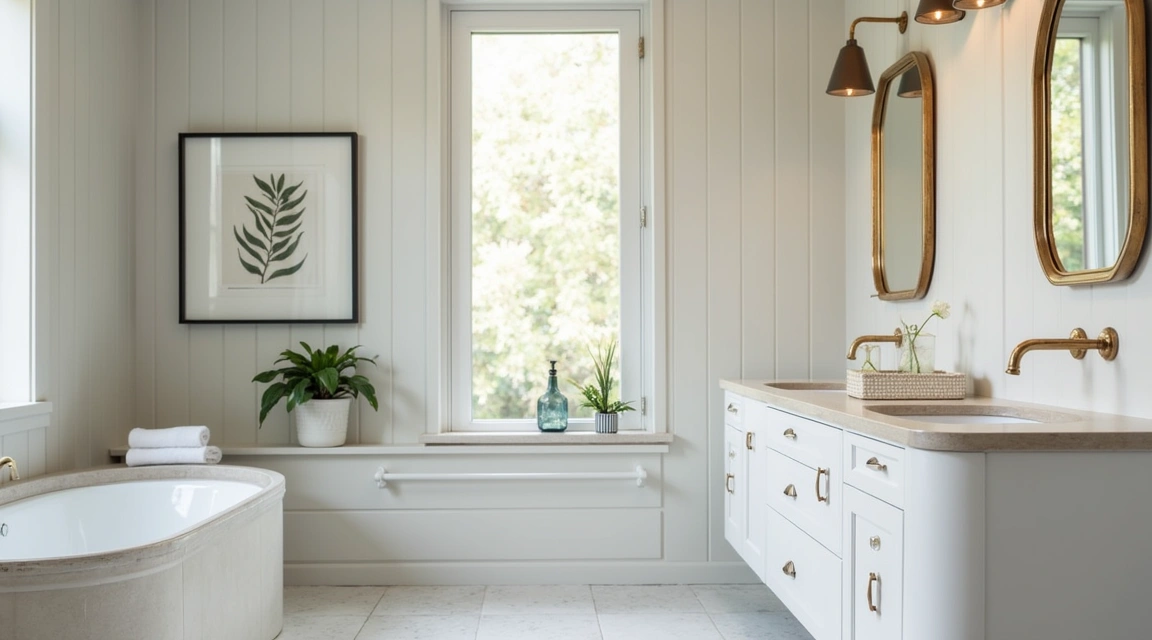
When my family moved into our current home five years ago, our single shared bathroom quickly became a battleground every morning. Three kids, two working adults, and exactly one drawer for everyone’s toiletries created chaos that started our days on the wrong foot. If you’re living through similar bathroom storage struggles, you’re not alone—and you don’t need a full renovation to make meaningful improvements.
Over the years, I’ve tested dozens of storage solutions, from simple over-the-door organizers to full cabinet replacements. Some transformed our bathroom routine, while others collected dust within weeks. This guide shares what actually worked for our busy household and compares the most practical upgrade options for families dealing with limited bathroom space and unlimited stuff.
Pros of Strategic Bathroom Storage Upgrades
The right storage improvements deliver benefits that extend far beyond just having more places to stash things. Our family experienced several unexpected advantages after implementing targeted storage solutions.
Reduced morning stress is the most immediate payoff. When each family member has designated storage zones, the frantic search for toothpaste or specific hair products disappears. We cut our average morning bathroom time by nearly fifteen minutes per person once everyone had their own clearly defined space. That might not sound dramatic, but it eliminated most of the shouting matches that used to start our days.
Better hygiene habits emerged naturally. When storage is accessible and organized, family members—especially kids—actually put things away and keep counters clearer. Our bathroom stays noticeably cleaner now because items aren’t piled on every horizontal surface collecting dust and soap scum. Clear counters are simply easier to wipe down during quick daily maintenance.
You’ll waste less money replacing lost items. Before our storage upgrade, we routinely bought duplicate toothbrushes, deodorants, and hair accessories because someone couldn’t find the original in the chaos. With everything in its designated spot, we’ve nearly eliminated these wasteful purchases. Over a year, that savings actually offset the cost of several storage upgrades.
Home value considerations matter too. Thoughtful bathroom storage appeals strongly to potential buyers if you sell your home. Built-in solutions like recessed medicine cabinets or custom vanity organizers particularly impress buyers with families. Even if selling isn’t in your immediate plans, quality storage upgrades become amenities you enjoy daily while protecting your investment.
Cons and Realistic Limitations
Not every storage solution lives up to its promise, and I learned some lessons the expensive way. Understanding these limitations helps you avoid wasting money on upgrades that won’t suit your actual needs.
Installation complexity varies dramatically. Some “simple” storage upgrades require skills and tools most families don’t have. I confidently purchased a beautiful recessed medicine cabinet, assuming installation would be straightforward. Three hours later, after hitting an unexpected pipe and creating a hole larger than planned, I called a professional. What I budgeted as a weekend DIY project became a multi-day ordeal with contractor costs. Always research installation requirements honestly before purchasing, and factor in professional help for anything involving wall cutting, plumbing proximity, or electrical work.
Space constraints limit options more than you’d expect. Pinterest and home improvement shows feature gorgeous floor-to-ceiling storage towers and sprawling vanity organizers. In reality, many bathrooms—especially in older homes—have limited wall space between doors, windows, toilets, and tubs. We discovered that the storage cart we loved online simply wouldn’t fit in our bathroom’s narrow floor plan. Measure meticulously and consider traffic flow, not just whether something technically fits.
Maintenance needs increase with complexity. Elaborate drawer divider systems with multiple compartments look beautiful initially but require ongoing organization effort. Our family struggled with a complex vanity organizer system that had too many small sections. Within weeks, items migrated between compartments and the system broke down. Simpler solutions with broader categories actually worked better for our real-world habits. Choose organization complexity that matches your family’s actual maintenance commitment.
Not all materials withstand bathroom humidity. I learned this lesson with a gorgeous bamboo storage ladder that warped within six months despite being marketed as “bathroom appropriate.” Bathrooms are harsh environments with temperature swings, humidity, and direct water exposure. Wire organizers rust, certain woods warp, and adhesive solutions fail in steam. Invest in truly waterproof materials—solid plastic, treated wood, stainless steel, or sealed composites—especially for items near the shower or tub.
Family buy-in determines success more than the solution itself. The most brilliant storage system fails if family members won’t use it. Our first attempt involved color-coded bins for each person, which worked beautifully for about two weeks before everyone ignored the system. Success came when we involved the kids in choosing their storage solutions and let them claim ownership of their spaces. The upgrade you choose matters less than whether your family will actually adopt it.
Who Should Consider Each Storage Upgrade Type
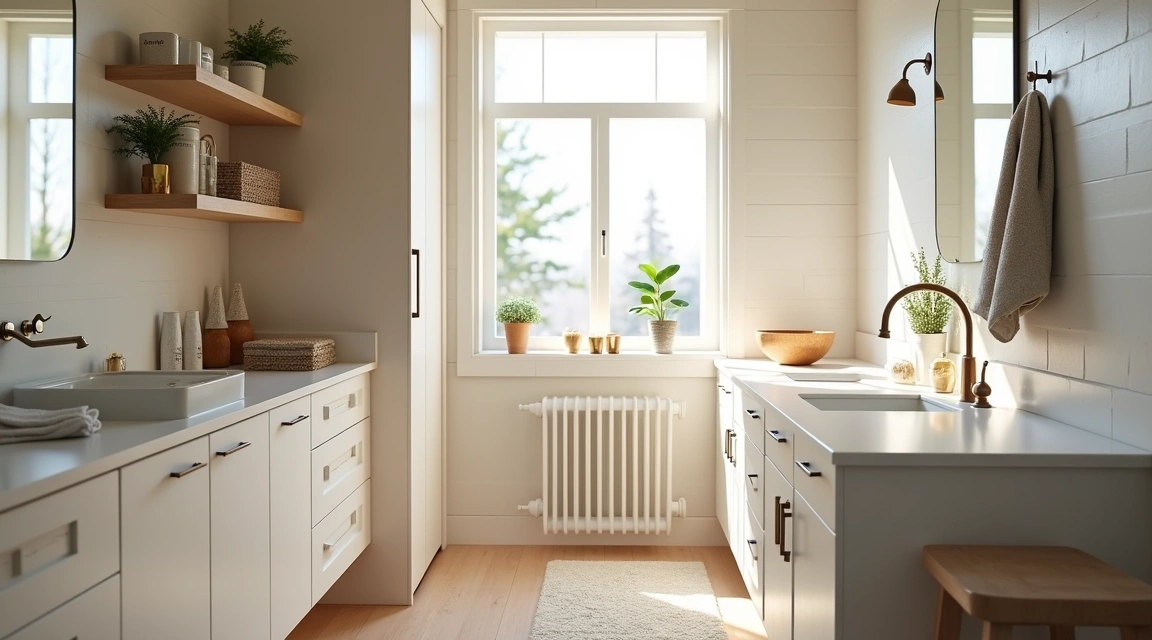
Different families need different solutions. Here’s how to match storage upgrades to your specific situation, based on what worked for us and other families I’ve compared notes with over the years.
Over-the-door and wall-mounted organizers work best for renters or anyone avoiding permanent changes. These solutions require minimal installation—often just hooks or removable adhesive strips. We used over-the-door towel racks and wall-mounted baskets in our previous rental, and they moved with us to the new house. They’re ideal for families testing storage configurations before committing to permanent installations. The downside is weight limits and less stability than built-in options, but for lightweight items like toiletries and cosmetics, they perform well.
Vanity organizers and drawer systems suit families with existing cabinet space that’s poorly utilized. If you already have vanity drawers but they’re chaotic jumbles, internal organizers deliver huge impact for modest investment. We transformed our vanity with simple adjustable drawer dividers and pull-out organizers. This works beautifully when you have the cabinet bones but need better internal organization. If you lack cabinets entirely, this obviously won’t help—you’d need to consider cabinet installation instead.
Recessed medicine cabinets and shelving appeal to homeowners willing to do minor construction. These built-in solutions maximize storage without protruding into bathroom space. For families in smaller bathrooms where every inch of floor and wall space counts, recessed storage is worth the installation complexity. We added a recessed shelf unit between wall studs in our shower, creating storage that doesn’t shrink the shower footprint. This approach requires confident DIY skills or professional help, plus wall space without plumbing or structural obstacles.
Freestanding storage towers and carts serve families needing flexible, movable solutions. If your bathroom layout might change—perhaps you’re planning a future renovation or frequently rearrange—freestanding options maintain flexibility. They’re also excellent for families with multiple bathroom users who might benefit from rolling their personal items between bathroom and bedroom. We use a slim rolling cart that holds hair styling tools and products; it lives in the bathroom during the morning rush but moves to bedrooms for detailed styling sessions.
Custom vanity replacement makes sense for families planning long-term stays who need maximum storage. If you’ll live in your home for many years and your current vanity is outdated or inadequate, a full replacement might be your best move. This represents the largest investment and most extensive installation, but delivers the most dramatic improvement. Consider this option if you’re already tackling other bathroom remodeling projects—combining upgrades saves on contractor time and ensures cohesive design.
Frequently Asked Questions
How much should I expect to spend on bathroom storage upgrades?
Your investment depends entirely on which solutions you choose and whether you install them yourself. Basic solutions like over-the-door organizers and simple drawer dividers cost between twenty and sixty dollars and require no installation help. Mid-range options including quality wall-mounted shelving, vanity organizer systems, or freestanding storage towers typically range from one hundred to three hundred dollars, with possible installation costs if you hire help. Full vanity replacements or custom built-ins represent the largest investment—often running into four figures when including professional installation—but they also deliver the most comprehensive storage improvement and add genuine value to your home.
What storage upgrade delivers the biggest impact for the least effort?
In my experience, simple drawer organizers inside existing vanity cabinets provide the best return on minimal investment and effort. Most families have cabinet space that’s just poorly organized—items pile up, things get lost in the back, and you can’t find what you need when you need it. Adjustable drawer dividers and small bins transform chaos into organized zones within an hour, typically for under fifty dollars. This upgrade requires no installation skills, no wall damage, and no permanent changes, yet it dramatically improves daily function. Start here before considering more complex solutions.
Should I prioritize storage that matches my current bathroom style or focus purely on function?
Function should drive your initial decisions, but don’t completely ignore aesthetics—you’ll use solutions more consistently when you actually like how they look. I’ve found that starting with functional requirements, then choosing the most attractive option within that category, works better than starting with appearance. A beautiful storage piece you don’t actually use helps nobody. That said, bathrooms are highly visible spaces you use multiple times daily, so if a functional solution looks terrible, it’ll bother you every single day. Look for the overlap: solutions that meet your functional needs and at least don’t clash with your bathroom’s existing style. You can always enhance appearance later with paint, hardware changes, or decorative elements once the functional foundation works well.