

Buying your first home is thrilling, but discovering it needs significant remodeling can quickly turn excitement into anxiety. First-time buyers often underestimate renovation costs, leading to budget overruns and unfinished projects. A comprehensive planning checklist helps you anticipate expenses, prioritize improvements, and avoid common pitfalls that drain savings before you’ve even settled in.
Whether you’re eyeing a fixer-upper for its price advantage or planning updates to a move-in ready property, understanding remodeling cost estimates is essential. This guide provides a systematic approach to budgeting renovations, identifying hidden expenses, and creating a realistic timeline that aligns with your financial capacity.
Understanding the True Scope of Remodeling Costs
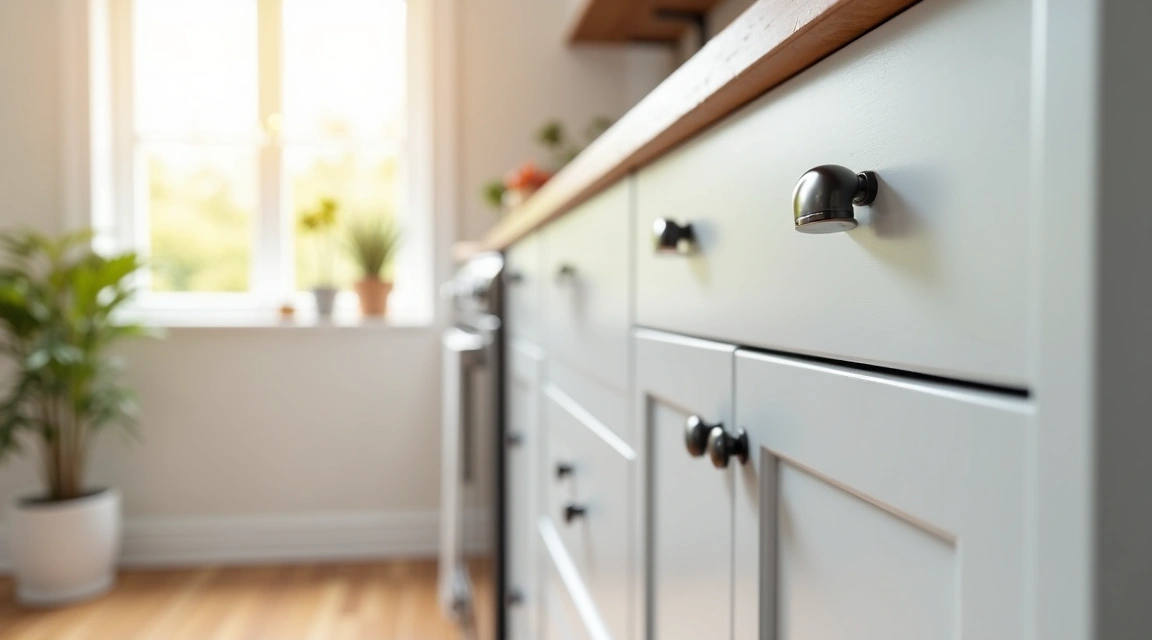
Many first-time buyers focus solely on the purchase price and mortgage payment, overlooking the substantial investment required for renovations. According to recent homeowner surveys, kitchen remodels typically range from $15,000 to $50,000 depending on scope, while bathroom renovations average $10,000 to $25,000. These figures can shock buyers who budgeted only a few thousand dollars for cosmetic updates.
Before making an offer, conduct a thorough home inspection that identifies structural issues, aging systems, and code violations. An inspector’s report reveals problems invisible during showings—outdated electrical panels, plumbing leaks, foundation cracks, or roof damage. These discoveries transform your budget estimates from guesswork into actionable data.
Consider the difference between cosmetic and structural work. Painting walls and replacing fixtures might cost $5,000 to $10,000, while addressing water damage, rewiring the house, or replacing HVAC systems can easily exceed $30,000. First-time buyers frequently underestimate this gap, assuming all improvements fall into the “cosmetic” category when reality demands deeper investment.
Professional contractors recommend allocating an additional 15-20% contingency buffer beyond your initial estimates. Unexpected issues emerge once walls open—hidden water damage, outdated materials requiring specialized removal, or systems that don’t meet current building codes. This buffer prevents project stalls when surprises inevitably surface.
Creating Your Pre-Purchase Remodeling Checklist
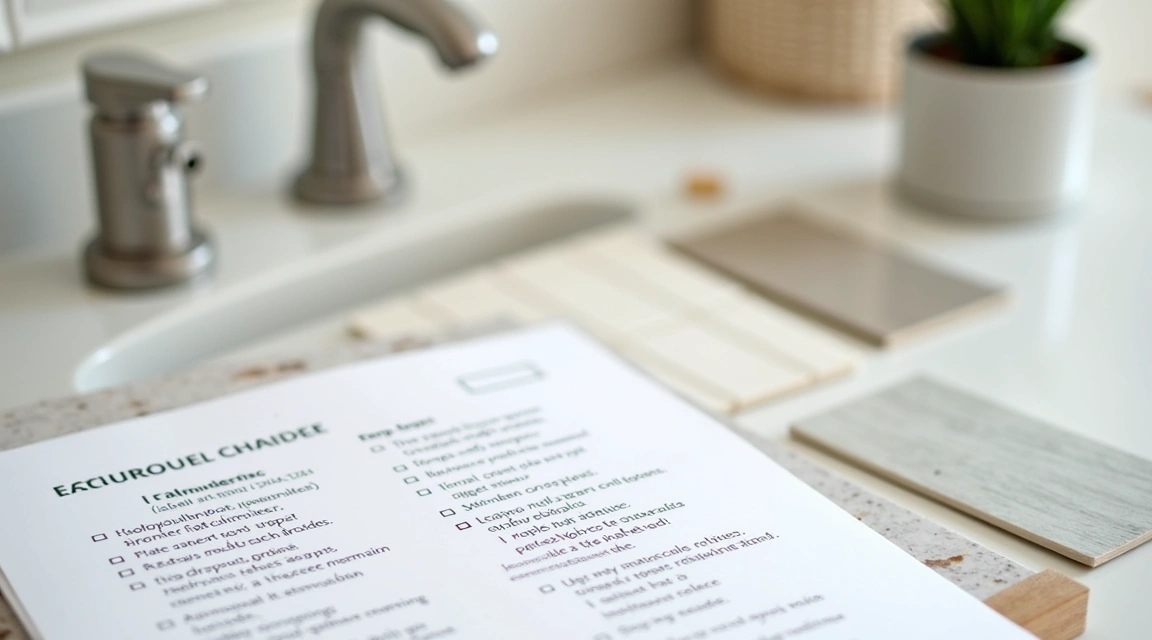
Start your planning process before closing escrow. Walk through the property with a contractor or experienced renovator who can provide ballpark estimates for each improvement area. Document everything with photos and measurements to obtain accurate quotes later.
Prioritize repairs by urgency and impact. Essential repairs—roof leaks, electrical hazards, plumbing failures, structural issues—demand immediate attention and budget allocation. These aren’t negotiable; they protect your investment and ensure safety. Defer cosmetic updates if necessary, but never compromise on structural integrity or systems that affect habitability.
Create separate budget categories for each room and system:
- Kitchen: Cabinets, countertops, appliances, flooring, plumbing, electrical upgrades
- Bathrooms: Fixtures, tile work, vanities, ventilation, waterproofing
- Flooring: Material costs per square foot, installation labor, subfloor repairs
- Systems: HVAC replacement or repair, electrical panel upgrades, plumbing updates
- Exterior: Siding, windows, doors, roofing, landscaping
- Interior finishes: Paint, trim, lighting fixtures, hardware
For guidance on broader renovation planning strategies, visit our Remodeling Cost Estimates section for detailed breakdowns by project type.
Obtain at least three written estimates for major work. Quotes vary significantly between contractors, and comparison shopping helps identify fair pricing while avoiding overcharges. Verify licenses, insurance, references, and previous work quality before committing to any contractor.
Factor in permit costs and timeline delays. Most structural work, electrical upgrades, plumbing changes, and additions require permits that cost $500 to $2,000 depending on location and project scope. Permit approval processes add weeks or months to timelines, affecting your move-in date and potentially requiring temporary housing expenses.
Financing Strategies and Budget Protection
First-time buyers have several financing options for renovations beyond personal savings. FHA 203(k) loans combine purchase price and renovation costs into a single mortgage, ideal for fixer-uppers requiring substantial work. Fannie Mae HomeStyle loans offer similar advantages with potentially more flexible terms for qualified buyers.
Home equity lines of credit (HELOCs) provide renovation funding after purchase but require sufficient equity and approval. Personal loans or contractor financing offer quick access to funds but typically carry higher interest rates. Compare total borrowing costs including interest, fees, and repayment terms before selecting a financing method.
Never drain your emergency fund for renovations. Maintain at least three to six months of living expenses in accessible savings separate from your remodeling budget. Unexpected home repairs beyond planned renovations still occur, and depleting reserves leaves you vulnerable to financial stress when issues arise.
Phase projects according to available funds rather than financing everything at once. Complete essential repairs first, then tackle improvements room by room as budget allows. This approach prevents overwhelming debt and provides flexibility to adjust plans based on actual costs versus estimates.
Track every expense meticulously. Use spreadsheets or budgeting apps to record quotes, actual costs, change orders, and material purchases. Cost creep—the gradual accumulation of small upgrades and additions—derails budgets faster than major unexpected repairs. Vigilant tracking helps you recognize when spending approaches limits and make informed decisions about scaling back or pausing work.
Common Cost Estimate Pitfalls to Avoid
First-time buyers repeatedly make predictable mistakes that inflate renovation costs. Recognizing these pitfalls helps you budget more accurately and avoid financial strain.
Underestimating material costs represents a major oversight. Online calculators and rough estimates rarely account for actual material waste, delivery fees, special-order items, or mid-project upgrades. Tile work, for example, requires 10-15% overage for cuts and breakage. Hardwood flooring needs additional boards for stagger patterns and future repairs. Always purchase more material than mathematical calculations suggest.
Ignoring labor costs proves equally damaging. Professional installation typically doubles or triples material costs alone. DIY skills may reduce some expenses, but honest assessment of your capabilities prevents costly mistakes requiring professional correction later. Factor realistic labor estimates into every budget line item.
Changing plans mid-project devastates budgets. Design changes after work begins require demolition of completed work, material reordering, and labor redundancy. Finalize all design decisions before contractors start work, even if it delays the project start date. Patience in planning saves thousands in execution.
Failing to account for hidden costs—dumpster rental, tool purchases, daily meals for workers, temporary housing during major renovations, storage unit fees for furniture—adds thousands to final bills. Create a miscellaneous category capturing these overlooked expenses.
Remodeling Cost Estimate Planning Table
| Project Category | Typical Cost Range | Budget Planning Factor | Timeline Estimate |
|---|---|---|---|
| Kitchen Remodel (Mid-Range) | $15,000 – $35,000 | Add 20% contingency | 4-8 weeks |
| Bathroom Renovation | $10,000 – $25,000 | Add 15% contingency | 2-4 weeks |
| Flooring (Whole House) | $6,000 – $18,000 | Include 10% waste factor | 1-3 weeks |
| HVAC Replacement | $8,000 – $15,000 | Get 3+ quotes | 1-2 weeks |
| Electrical Panel Upgrade | $2,000 – $5,000 | Include permit costs | 1-2 days |
| Roof Replacement | $8,000 – $25,000 | Weather delays possible | 2-5 days |
| Exterior Paint | $4,000 – $10,000 | Season affects pricing | 1-2 weeks |
| Window Replacement (10-15) | $5,000 – $15,000 | Energy rebates available | 2-3 days |
Building Your Timeline and Living Strategy
Renovation timelines directly impact your living situation and budget. Major projects make homes temporarily uninhabitable, requiring alternative housing that adds monthly costs. Plan your closing date considering whether you’ll live in the property during renovations or complete work before moving in.
Living in a construction zone saves hotel or rental costs but increases stress and health concerns from dust, noise, and chemical exposure. If you choose this route, establish livable zones—typically bedrooms and one bathroom—that remain functional throughout the project. Communicate these boundaries clearly with contractors before work begins.
Completing renovations before moving in adds rental overlap costs but delivers peace of mind and faster project completion. Contractors work more efficiently without accommodating residents, and you avoid daily disruption. Calculate whether the rental cost savings justify the stress and slower progress of occupied renovations.
Seasonal factors affect both cost and timeline. Spring and summer see higher contractor rates due to demand, while winter offers potential discounts but weather delays for exterior work. Interior projects proceed year-round, making winter ideal for kitchen and bathroom renovations if you can negotiate favorable rates.
Final Preparation and Decision Making
Armed with comprehensive cost estimates and a detailed checklist, you’re prepared to make informed decisions about purchasing a home requiring remodeling. Compare total acquisition costs—purchase price plus renovation expenses—against similar move-in ready properties to ensure you’re achieving genuine value rather than merely shifting costs from purchase to improvement.
Remember that remodeling adds sweat equity but requires time, stress tolerance, and financial reserves beyond mortgage payments. First-time buyers often romanticize renovation projects without fully acknowledging the emotional and financial demands involved. Be honest about your capacity for managing extended construction periods and potential budget surprises.
Before finalizing your offer, review your checklist with your lender, real estate agent, and contractor to confirm feasibility. This collaborative review prevents post-purchase regret and ensures all parties understand the project scope. Make your offer contingent on satisfactory inspection results that validate your cost estimates.
With realistic budgeting, thorough planning, and appropriate contingencies, first-time buyers successfully transform fixer-uppers into dream homes without financial disaster. Your planning checklist serves as both roadmap and reality check, guiding smart decisions that protect your investment while achieving the home you envision.