
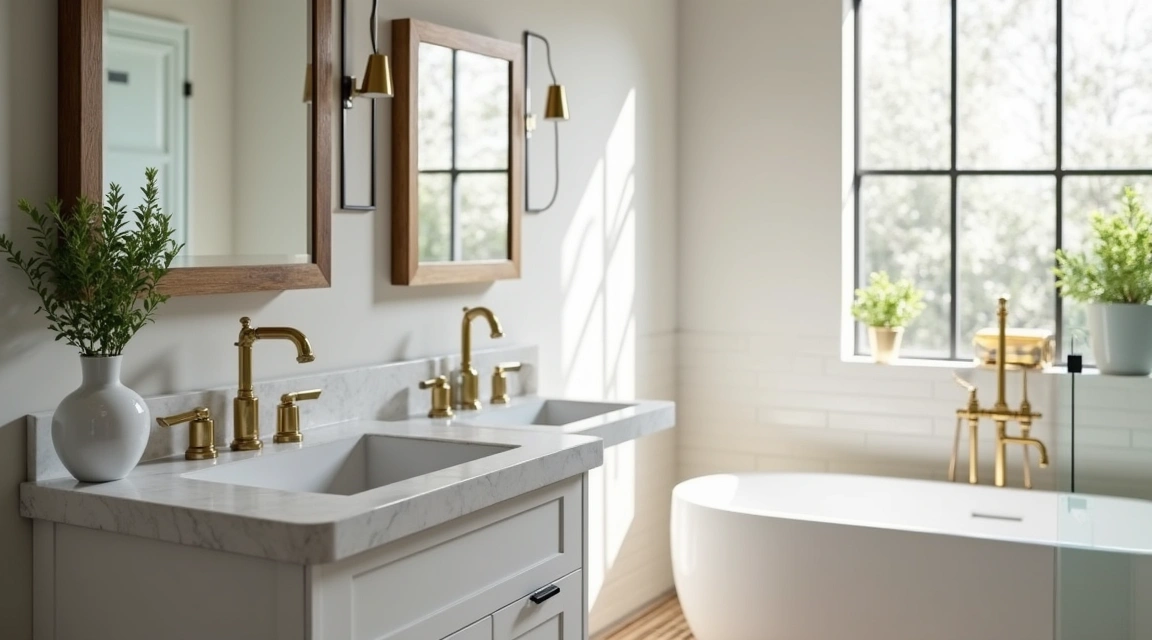
Getting accurate remodeling cost estimates is one of the most important steps in planning your kitchen or bathroom renovation. Whether you’re electrifying your home, installing new cabinets, or completely transforming your space, knowing the right questions to ask contractors can save you thousands of dollars and prevent costly misunderstandings. This comprehensive checklist will guide you through every essential question you need to ask before signing any contract.
Many homeowners rush through the estimate phase, eager to start their project. However, taking the time to thoroughly vet contractors and understand every line item in your estimate is crucial. A detailed conversation now prevents disputes later and helps you compare bids accurately across different contractors.
Understanding What Should Be Included in Every Estimate

Before you dive into specific questions, understand that a professional estimate should always be provided in writing. Verbal quotes leave too much room for miscommunication and memory lapses on both sides.
Step 1: Request a detailed, itemized written estimate. Ask the contractor to break down costs by labor, materials, permits, and any additional fees. This transparency allows you to see exactly where your money is going and makes it easier to adjust the project scope if needed.
Caution: Be wary of contractors who refuse to provide written estimates or who only offer vague “ballpark figures.” These practices often lead to surprise costs later in the project.
Your estimate should include:
- Labor costs broken down by task or trade
- Materials list with specific brands and models when possible
- Permit and inspection fees
- Disposal and cleanup costs
- Timeline with start and completion dates
- Payment schedule tied to project milestones
Step 2: Ask about the estimate format and level of detail. Specifically request, “Can you provide an itemized estimate that separates labor, materials, and other costs?” This simple question reveals how organized and transparent the contractor will be throughout your project.
Caution: Estimates that lump everything into a single total make it impossible to verify fair pricing or to negotiate specific elements of the project.
Critical Questions About Licensing, Insurance, and Warranties
Protecting yourself legally is just as important as getting a fair price. These questions help ensure you’re working with a legitimate, insured professional.
Step 3: Verify credentials and coverage. Ask these specific questions and request to see documentation:
- “What is your license number, and can I verify it with the state licensing board?”
- “Do you carry both general liability insurance and workers’ compensation insurance?”
- “Can you provide current certificates of insurance?”
- “What warranties do you offer on your workmanship?”
- “Do the materials you’re proposing come with manufacturer warranties?”
Caution: Never accept a contractor’s word alone about insurance. Request certificates directly from their insurance company, and verify that coverage amounts are adequate for your project size. If a worker is injured on your property and the contractor lacks proper insurance, you could be held liable.
Step 4: Understand warranty terms in detail. Ask, “What specific work is covered under your warranty, for how long, and what circumstances would void it?” Many contractors offer warranties ranging from one to several years, but the details matter significantly. Know whether the warranty covers only major structural issues or also includes finish work, and whether it remains valid if you sell your home.
Caution: Some warranties become void if you hire another contractor to make changes or repairs. Clarify these terms before signing anything.
Questions About Project Scope, Timeline, and Payment

Misunderstandings about what work will actually be performed cause more contractor disputes than any other issue. These questions establish crystal-clear expectations.
Step 5: Define the exact scope of work. Go through each area of your project and ask:
- “Does this estimate include removing and disposing of existing fixtures and materials?”
- “Are you responsible for obtaining all necessary permits?”
- “Will you handle scheduling all required inspections?”
- “Does your bid include preparing surfaces and priming before finishing?”
- “Are cleanup and final site restoration included in this price?”
- “Who will be doing the electrical, plumbing, and other specialized work?”
Caution: Assumptions about “standard practices” vary widely between contractors. One contractor’s estimate might include drywall repair and painting, while another assumes you’ll handle those tasks yourself. Ask explicitly about every detail.
Step 6: Clarify timeline and payment structure. Ask these essential scheduling and financial questions:
- “What is your projected start date, and is it guaranteed?”
- “How long will the project take from start to completion?”
- “What could cause delays, and how will you communicate them?”
- “What is your payment schedule?” (Never pay the full amount upfront)
- “How will change orders be priced and approved?”
- “What happens if the project goes over budget or timeline?”
Caution: Be suspicious of contractors who demand large upfront payments before any work begins. A typical payment schedule involves an initial deposit (usually 10-30%), progress payments tied to completed milestones, and a final payment upon satisfactory completion. Never pay in full before the job is completely finished and inspected.
For more guidance on planning your renovation budget, visit our Remodeling Cost Estimates section for additional resources and tips.
Questions About Materials, Substitutions, and Quality
The materials specified in your estimate directly impact both cost and quality. These questions prevent unwanted surprises when installation day arrives.
Ask your contractor:
- “What specific brands and model numbers are included in this estimate?”
- “Are these materials readily available, or might there be supply delays?”
- “Can I review and approve materials before you order them?”
- “What happens if my first-choice material is unavailable?”
- “Will you substitute materials without my written approval?”
- “Where will materials be stored, and who is responsible if they’re damaged before installation?”
Specify in writing that any material substitutions require your advance approval. This prevents contractors from switching to cheaper alternatives to increase their profit margins without your knowledge.
Common Mistakes Homeowners Make When Reviewing Estimates
Even with a good checklist, homeowners often fall into predictable traps. Avoid these common errors:
Choosing the lowest bid automatically. The cheapest estimate often comes from contractors who cut corners, lack proper insurance, or plan to use substandard materials. Focus on value rather than price alone. Compare what each contractor includes and excludes.
Failing to check references. Always ask for and actually contact at least three recent references. Ask those homeowners about timeline accuracy, communication, problem-solving, and whether they would hire the contractor again. Drive by completed projects if possible.
Not reading the fine print. Carefully review every clause in the contract. Look for phrases like “allowances” (which often underestimate actual costs), “time and materials” (which can lead to budget overruns), and vague completion dates like “approximately” or “weather permitting.”
Skipping the permit question. Some contractors offer lower bids by skipping permits. This is illegal in most jurisdictions and can cause serious problems when you try to sell your home or file an insurance claim. Always ask, “Will you obtain all required permits, and are permit fees included in this estimate?”
Accepting verbal change orders. When project changes occur—and they often do—insist on written change orders that specify the additional work, cost, and timeline impact before the work begins. Verbal agreements are nearly impossible to enforce.
Ignoring your instincts. If a contractor seems evasive, pushy, or unprofessional during the estimate phase, trust your gut. Communication and trustworthiness matter as much as technical skill. You’ll be working with this person for weeks or months.
Bringing It All Together: Your Final Checklist
Before you sign any remodeling contract, ensure you can answer “yes” to every item on this final checklist:
- I have received detailed written estimates from at least three contractors
- Each estimate itemizes labor, materials, permits, and other costs separately
- I have verified all licenses and insurance certificates
- I understand exactly what work is included and what is excluded
- The project timeline and payment schedule are clearly documented
- All materials are specified by brand and model number
- I have checked references and reviewed previous work
- Warranty terms are clearly explained in writing
- The contract includes a clause requiring written approval for any changes
- I feel comfortable communicating with this contractor
Taking the time to ask thorough questions during the estimate phase protects your investment and sets clear expectations. Remember that professional contractors appreciate detailed questions because they indicate a serious, informed homeowner. If a contractor becomes defensive or evasive when you ask for clarification, consider it a red flag.
Your remodeling project represents a significant investment in your home and your family’s comfort. By using this checklist to guide your contractor conversations, you’ll enter your renovation with confidence, realistic expectations, and the documentation needed to ensure a successful outcome. The extra hours you spend now comparing estimates and asking questions will save you countless headaches and potentially thousands of dollars once work begins.