
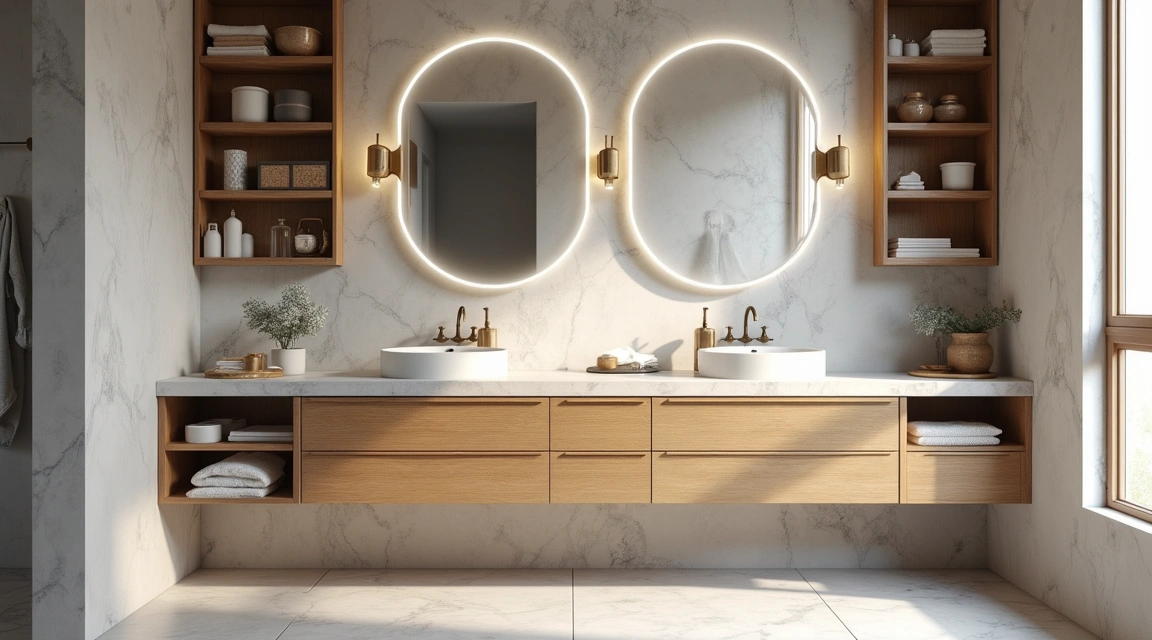
I’ve always believed that the difference between a kitchen or bathroom you tolerate and one you genuinely love often comes down to smart storage. A few years ago, I inherited a charming but cramped 1920s kitchen with cabinets that looked beautiful from the outside but were chaotic inside. Stacks of mismatched containers toppled over every time I opened a door, and finding my favorite mixing bowl felt like an archaeological dig. That frustration launched me into the world of cabinet storage upgrades, and I haven’t looked back since. Whether you’re dealing with a tiny powder room or a sprawling pantry, the right cabinet storage solutions can multiply your usable space without a full renovation.
Why Cabinet Storage Upgrades Make Such a Difference
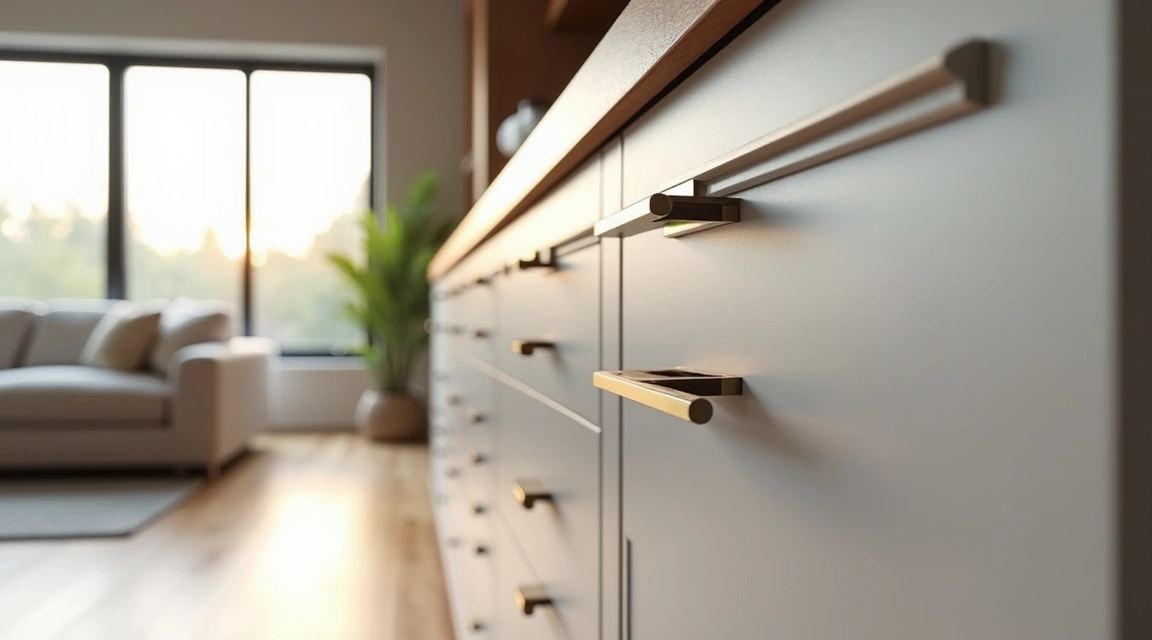
The core appeal of cabinet storage upgrades is efficiency. Standard cabinets ship with one or two fixed shelves, leaving vertical space unused and deep corners nearly impossible to access. By adding pull-out drawers, tiered organizers, or lazy Susans, you transform wasted space into working storage that actually gets used daily.
In my own kitchen, installing pull-out shelving in the lower cabinets was a game-changer. Before, I had to crouch down and grope around in the dark to find a saucepan buried in the back. Now, I pull the entire shelf out toward me, and everything is visible at a glance. This kind of accessibility reduces frustration and speeds up cooking, cleaning, and organizing routines considerably.
Another major benefit is customization. Unlike a fixed shelf, modular storage components let you adapt to your specific needs. If you have a collection of spice jars, a narrow pull-out spice rack keeps them organized and visible. If you’re storing cleaning supplies under the sink, an expandable shelf system works around the plumbing. This flexibility means you’re not fighting your cabinet’s original design—you’re enhancing it to suit your lifestyle.
Cabinet upgrades also tend to have a high return on satisfaction relative to their cost. A $20 tension rod and some S-hooks can instantly create hanging storage for pot lids or spray bottles. A $50 drawer organizer can tame a utensil drawer that’s been chaotic for years. These aren’t major investments, but the daily convenience they bring feels luxurious.
Potential Drawbacks and Challenges to Consider
While I’m a huge fan of cabinet storage upgrades, they’re not without limitations. The first challenge is measurement. Cabinets vary widely in dimensions, and what fits perfectly in a standard 24-inch base cabinet might not work in your slightly narrower or unusually tall space. I’ve ordered organizers online that looked ideal in photos, only to discover they were half an inch too wide or didn’t account for the way my cabinet door hinges intruded on interior space.
My advice: measure three times before ordering anything. Measure width, depth, and height, and pay attention to obstructions like plumbing pipes, cabinet dividers, or recessed door panels. It’s also wise to check return policies, because even with careful measuring, you might find that a product doesn’t quite work the way you envisioned.
Another consideration is installation complexity. Some upgrades, like adhesive shelf liners or stackable bins, require zero installation—you just place them and you’re done. Others, like slide-out drawers or under-shelf baskets, may require drilling, screwing, or mounting hardware. If you’re not comfortable with basic DIY tasks or don’t have the right tools, you might need to budget time or money for professional installation.
There’s also the risk of over-organizing. I fell into this trap early on, buying so many specialized organizers that my cabinets became cluttered with organizational products themselves. A drawer divider for knives, another for spatulas, another for measuring spoons—it was overkill. Sometimes a simple, multipurpose bin or basket is more practical than a hyper-specific organizer that only works for one narrow use case.
Finally, some cabinet upgrades can feel flimsy or wear out quickly, especially budget options. I’ve had plastic pull-out drawers crack under the weight of canned goods and wire racks that wobbled so much I worried they’d collapse. Investing a bit more in sturdy materials—metal over plastic, ball-bearing slides over friction-based ones—pays off in longevity and daily usability.
Who Will Benefit Most from Cabinet Storage Upgrades
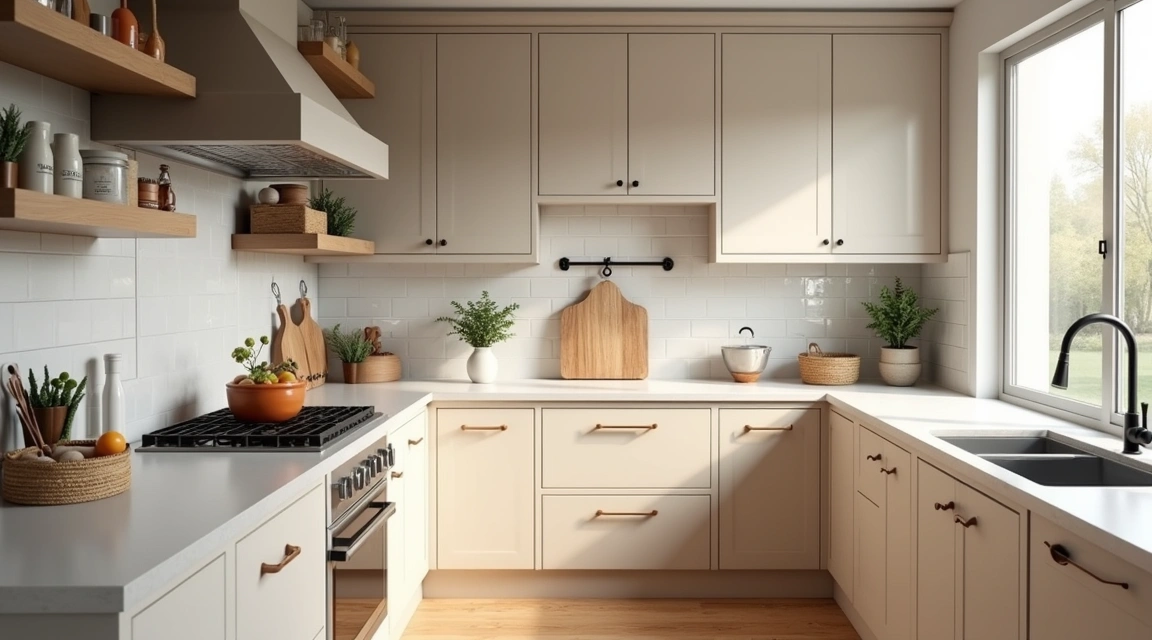
Cabinet storage upgrades are ideal for anyone dealing with limited space or inefficient layouts. If you live in an apartment, condo, or older home where cabinet real estate is tight, these solutions help you maximize every cubic inch. They’re also perfect for people who cook frequently and need easy access to pots, pans, ingredients, and utensils without digging through piles of stuff.
Parents with young children often find cabinet organizers especially valuable. Lower cabinets can be outfitted with childproof locks and clear bins so kids can safely access their own snacks or dishes. Upper cabinets can house breakables or hazardous items out of reach. This kind of strategic organization makes daily routines smoother and safer.
Renters benefit too, particularly from non-permanent solutions like tension rods, adhesive hooks, stackable shelves, and freestanding drawer organizers. These upgrades are easy to remove when you move, and they don’t require drilling holes or making permanent modifications that might violate a lease agreement.
If you’re preparing to sell your home, subtle cabinet upgrades can make your kitchen and bathrooms feel more polished and functional during showings. Potential buyers notice tidy, well-organized spaces, and small investments in pull-out trash bins, spice racks, or drawer dividers can leave a positive impression without breaking the bank.
Finally, anyone with mobility challenges will appreciate pull-out shelves and lazy Susans that reduce the need to bend, reach, or stretch. These accessible storage solutions make daily tasks less physically demanding and more comfortable.
Frequently Asked Questions
What’s the best first upgrade for a cluttered kitchen cabinet?
Start with a pull-out shelf or drawer in your most-used lower cabinet. This simple addition makes a noticeable difference in accessibility and visibility. If your budget is tight, stackable shelf risers or expandable organizers are affordable and effective first steps that don’t require installation.
Can I install pull-out shelves myself, or do I need a professional?
Many pull-out shelf kits are designed for DIY installation and come with all necessary hardware and instructions. If you’re comfortable using a drill and following step-by-step guides, you can likely handle it yourself. For complex systems or if you’re uncertain about measurements, hiring a handyman or carpenter can ensure a perfect fit and smooth operation.
How do I keep cabinet organizers from shifting or falling over?
Non-slip shelf liners are your best friend here—they grip both the cabinet surface and the bottom of bins or organizers, preventing sliding. For heavier items, consider adhesive bumpers, Velcro strips, or tension rods to anchor organizers in place. Properly sized products that fit snugly within your cabinet dimensions also stay put better than loose, oversized options.