

Buying a home that needs remodeling can be an exciting opportunity—or a costly surprise. Before you commit to a fixer-upper or plan renovations for your current home, understanding what remodeling will actually cost is essential. Many buyers underestimate the true expense of upgrades, leading to stalled projects or budget overruns. This guide walks you through the key questions to ask before purchasing a property that needs work, helping you make informed decisions and avoid common pitfalls.
Remodeling cost estimates vary widely depending on location, material choices, labor rates, and the scope of work. Getting accurate answers to the right questions before you buy will help you understand whether a property fits your budget and timeline. Let’s explore the critical factors every buyer should investigate.
What Is the True Scope of Work Required?

Step 1: Walk through the property with a notepad and camera. Document every area that needs attention, from cosmetic updates to structural repairs. Look beyond fresh paint—check for water stains, uneven floors, outdated electrical panels, and plumbing fixtures that may signal deeper issues.
Caution: Cosmetic problems are easy to spot, but hidden issues like foundation cracks or outdated wiring often cost far more to fix. Do not rely on surface appearances alone.
Step 2: Hire a licensed home inspector before making an offer. A professional inspection typically costs between two hundred and five hundred dollars but can reveal thousands of dollars in hidden repairs. Inspectors check electrical systems, plumbing, roofing, HVAC, foundations, and structural integrity.
Caution: Not all inspectors offer the same level of detail. Choose an inspector with strong local reviews and ask for a sample report before booking.
Step 3: Create a priority list dividing projects into three categories: immediate safety repairs, functional improvements, and cosmetic upgrades. Safety items like faulty wiring or mold remediation must come first. Functional improvements such as updated kitchens or bathrooms add value. Cosmetic changes like paint or flooring can wait if budget is tight.
Caution: Mixing up priorities can drain your budget on aesthetics while leaving critical systems unaddressed, creating liability and resale problems later.
How Much Should I Budget Per Square Foot?
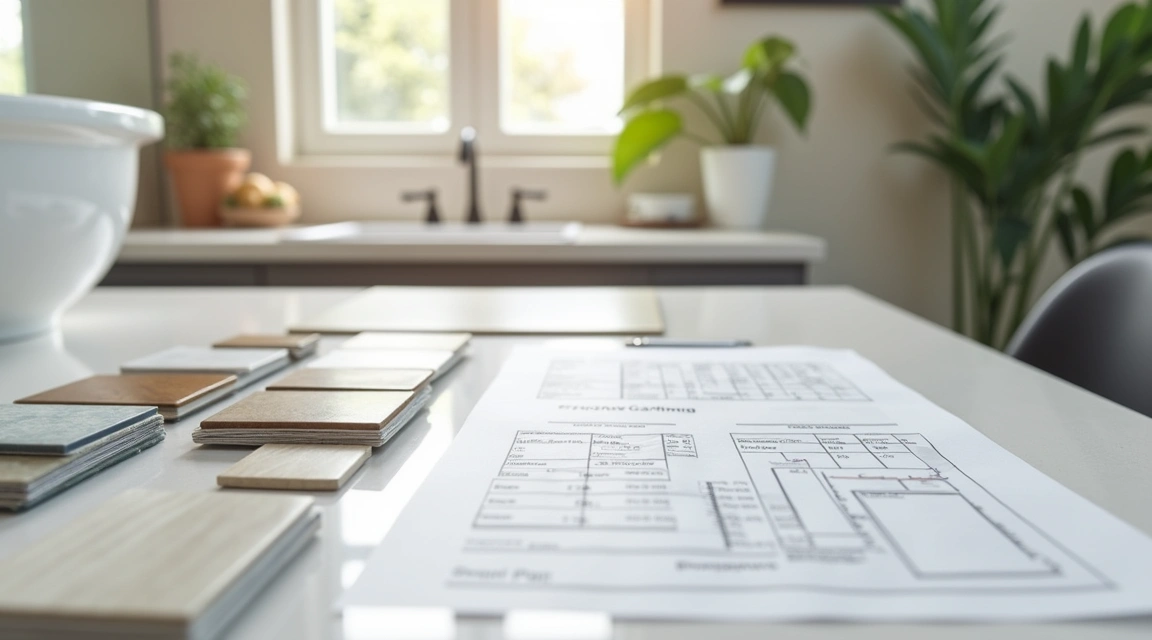
Step 1: Understand that per-square-foot pricing is a rough guideline, not a fixed rule. Kitchen and bathroom renovations cost significantly more per square foot than painting a bedroom. High-end finishes, custom cabinetry, and structural changes increase costs quickly.
Caution: Contractors who quote a single per-square-foot price for an entire home may be oversimplifying. Detailed line-item estimates are more reliable.
Step 2: Research typical costs in your local market. Labor rates and material availability vary by region. Urban areas with high demand often see higher contractor fees. Rural areas may have fewer specialists, which can also raise prices or extend timelines.
Caution: National averages can mislead. Always gather at least three local quotes to understand your specific market.
Step 3: Add a contingency buffer of at least fifteen to twenty percent to your estimated total. Unexpected issues such as hidden water damage, outdated code violations, or supply delays are common. This buffer prevents project stalls when surprises arise.
Caution: Skipping the contingency fund is one of the most common mistakes. Even well-planned projects encounter unforeseen expenses.
Step 4: Ask contractors for detailed breakdowns. A good estimate lists labor, materials, permits, and disposal fees separately. This transparency helps you compare bids accurately and identify where costs can be adjusted if needed.
Caution: Vague estimates with single lump sums make it difficult to verify fairness or negotiate changes. Insist on itemized pricing.
What Questions Should I Ask Contractors Before Hiring?
Step 1: Verify licensing and insurance. Ask for proof of general liability insurance and workers’ compensation coverage. Licensed contractors are accountable to regulatory bodies and less likely to cut corners or disappear mid-project.
Caution: Unlicensed contractors may offer lower bids but leave you liable for accidents, code violations, or substandard work. Always check credentials.
Step 2: Request references from recent projects similar to yours. Contact at least three past clients and ask about timeliness, communication, quality, and how the contractor handled unexpected problems. Visit completed projects if possible to see workmanship firsthand.
Caution: Contractors may provide only their best references. Look for online reviews and check with local consumer protection agencies for complaints.
Step 3: Clarify payment schedules upfront. Avoid contractors who demand large upfront deposits. Typical payment structures involve a small deposit, progress payments tied to completed milestones, and final payment upon satisfactory completion.
Caution: Paying too much upfront reduces your leverage if work quality declines or timelines slip. Never pay in full before the project is finished.
Step 4: Discuss timelines and availability. Ask how many other projects the contractor is juggling and whether your job will have dedicated crews or shared resources. Confirm start and estimated completion dates in writing.
Caution: Contractors who are vague about schedules may overbook themselves, leading to delays and frustration. Pin down specific dates before signing contracts.
Step 5: Understand the warranty and callback policy. Reputable contractors stand behind their work and will return to address defects or issues that arise shortly after completion. Get warranty terms in writing as part of your contract.
Caution: Verbal promises are difficult to enforce. Ensure all warranty details are documented in your signed agreement.
Should I Factor in Financing Costs?
Step 1: Determine how you will pay for renovations. Options include cash savings, home equity loans, home equity lines of credit, renovation mortgages, or personal loans. Each has different interest rates, repayment terms, and qualification requirements.
Caution: High-interest loans can turn an affordable renovation into a long-term financial burden. Compare rates and terms carefully before committing.
Step 2: Calculate total project cost including interest if financing. A renovation that costs thirty thousand dollars upfront may actually cost thirty-five thousand or more over the life of a loan. Factor this into your budget to avoid surprises.
Caution: Focusing only on monthly payments can obscure the true cost. Always review the total repayment amount.
Step 3: Explore renovation-specific loan products. Some mortgage programs allow buyers to roll renovation costs into the home purchase loan, offering competitive rates and a single monthly payment. Consult lenders experienced in these products.
Caution: Renovation loans require detailed project plans and contractor estimates upfront. They are not as flexible as cash but can offer lower interest rates than personal loans.
Will This Remodel Add Value to the Home?
Step 1: Research comparable home sales in the neighborhood. If homes with updated kitchens and baths sell for significantly more than outdated ones, your renovation is more likely to pay off. If the neighborhood ceiling is lower, you risk over-improving.
Caution: Spending fifty thousand dollars on a luxury kitchen in a modest neighborhood may not return your investment at resale. Match your renovation level to local market expectations.
Step 2: Prioritize projects with strong return on investment. Minor kitchen updates, bathroom remodels, fresh paint, new flooring, and improved curb appeal typically offer the best value. Luxury additions like pools or high-end wine cellars may appeal to fewer buyers.
Caution: Personal taste projects rarely recoup full costs. Focus on broad-appeal improvements if resale value matters to you.
Step 3: Consider your timeline. If you plan to live in the home for many years, personal enjoyment and functionality matter more than immediate resale value. If you intend to sell within a few years, focus on renovations that attract the widest buyer pool.
Caution: Rushing renovations to flip a home quickly can lead to poor quality and lower offers. Buyers notice shortcuts.
Common Mistakes to Avoid When Estimating Remodeling Costs
Many buyers fall into predictable traps that inflate costs and cause frustration. Recognizing these pitfalls helps you plan smarter.
One frequent mistake is skipping the professional inspection. Buyers who rely on their own observations often miss costly issues like outdated electrical systems, hidden water damage, or pest infestations. Spending a few hundred dollars on an inspection can save tens of thousands in unexpected repairs.
Another common error is choosing the lowest bid without investigating the contractor’s credentials, references, or detailed estimate. The cheapest option often reflects shortcuts, unlicensed labor, or incomplete scopes of work. Always compare apples to apples by reviewing itemized estimates and verifying qualifications.
Underestimating timelines is also a major source of stress. Renovations almost always take longer than expected due to permit delays, material backorders, or unforeseen complications. Plan for extra weeks or months, especially if you need to live elsewhere during construction.
Ignoring permit requirements is another risky move. Unpermitted work can make it difficult to sell your home later, result in fines, or require expensive corrections. Always confirm which permits are needed and ensure your contractor handles the process correctly.
Finally, failing to document everything in writing invites disputes. Verbal agreements about costs, timelines, materials, or warranties are difficult to enforce. Insist on detailed written contracts covering every aspect of the project.
Bringing It All Together
Buying a home that needs remodeling can be a smart financial move, but only if you enter the process with clear cost estimates and realistic expectations. By asking the right questions before you buy, you protect yourself from budget overruns, project delays, and poor-quality work. Take time to assess the true scope of work, research local costs, vet contractors thoroughly, factor in financing expenses, and evaluate how renovations will impact resale value.
Remember that renovation projects rarely go exactly as planned. Building in contingency funds, choosing experienced professionals, and prioritizing safety and function over aesthetics will help you navigate challenges confidently. Armed with accurate cost estimates and a clear plan, you can transform a fixer-upper into your dream home without financial regret.