
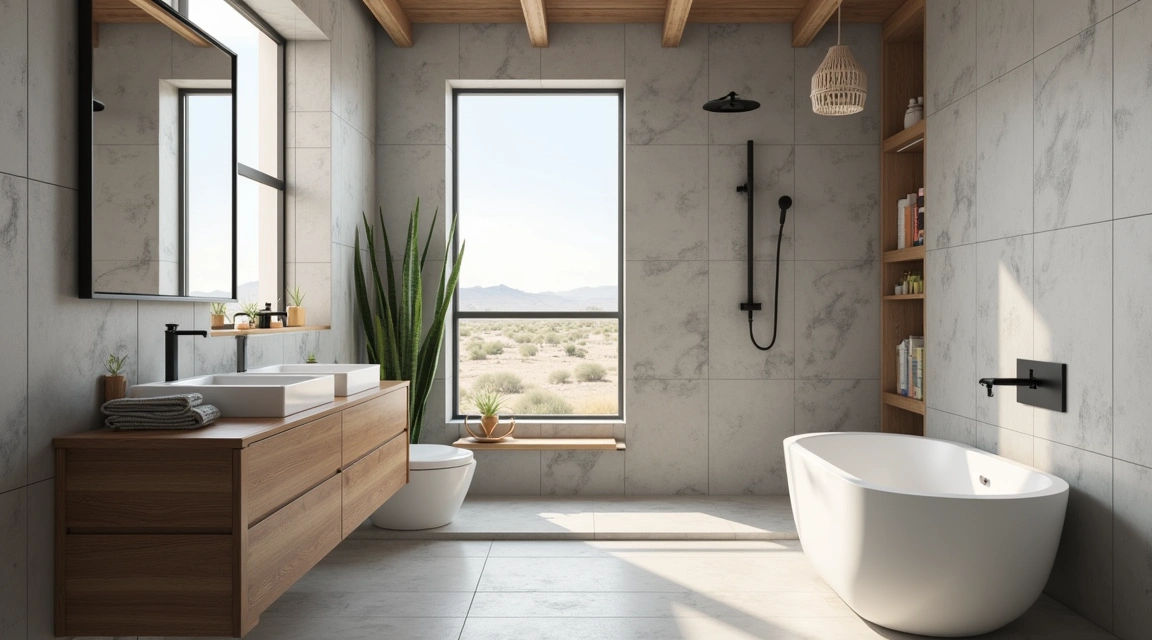
I’ve remodeled three bathrooms over the past decade, and I can tell you from hard-won experience that the difference between a smooth renovation and a chaotic nightmare comes down to one thing: a comprehensive checklist. The first bathroom I tackled? I forgot to order the vanity until week three, didn’t budget for unexpected plumbing issues, and ended up showering at my neighbor’s house for two weeks longer than planned. By the third remodel, I had my system down to a science. Whether you’re planning a modest refresh or a complete gut job, having a detailed bathroom remodel checklist keeps your project on track, on budget, and surprisingly stress-free.
The Benefits of Using a Bathroom Remodel Checklist

A well-structured checklist transforms what could be an overwhelming project into manageable steps. First and foremost, it keeps your budget realistic. When you map out every element—from tile adhesive to toilet flanges—you avoid those “oh, I forgot we need that” moments that blow your budget wide open. I learned this the hard way when I forgot to account for new drywall after removing old tile, adding an unexpected $800 to my costs.
Checklists also help you sequence tasks properly. You can’t install your gorgeous new tile before addressing that slow leak behind the wall, and you shouldn’t order your custom vanity before confirming your plumbing locations. A good checklist prevents expensive do-overs. During my second remodel, my checklist reminded me to take detailed measurements before the demolition started—measurements that proved invaluable when the contractor questioned whether the new soaking tub would actually fit.
Another major advantage is coordination with contractors and suppliers. When you have a clear checklist, you can schedule the plumber, electrician, tile installer, and cabinet installer in the correct order with appropriate lead times. This prevents the frustrating scenario where your tile guy shows up but the shower pan hasn’t arrived yet. It also helps you track permits, inspections, and code requirements that vary by location.
Finally, a comprehensive checklist reduces decision fatigue. Bathroom remodels involve hundreds of choices—everything from grout color to drawer pulls. When you break these decisions into checklist categories and tackle them systematically, you avoid last-minute panic purchases that don’t match your vision. Trust me, choosing cabinet hardware at 10 PM the night before installation rarely yields results you’ll love for the next fifteen years.
The Drawbacks and Challenges of Bathroom Checklists
Despite their value, bathroom remodel checklists aren’t perfect. The biggest challenge is that they can create a false sense of completeness. No checklist captures every possible scenario, especially the surprises hiding behind your walls. When I finally opened up the wall in my 1950s bathroom, I discovered galvanized pipes, outdated electrical work, and evidence of a previous leak that had compromised the subfloor. None of this was on my checklist, but it all had to be addressed before moving forward.
Checklists can also become overwhelming if they’re too detailed. I’ve seen 50-page bathroom renovation checklists that include every possible contingency and option. While comprehensive, they’re so daunting that people abandon them entirely. The key is finding the right balance between thorough and usable—detailed enough to be helpful but not so granular that you need a project manager just to understand your own checklist.
Another limitation is that generic checklists don’t account for your specific situation. A checklist designed for a powder room remodel won’t serve you well if you’re tackling a master bathroom with a separate shower and tub. Similarly, accessibility modifications for aging-in-place require entirely different considerations than a standard remodel. You’ll need to customize any template checklist to match your actual project scope.
There’s also the risk of becoming too rigid. I’ve caught myself checking boxes just to check them, even when circumstances suggested a different approach. When my tile supplier discontinued the floor tile I’d specified (and checked off), I initially panicked rather than seeing it as an opportunity to consider better options that had come to market. Good checklists provide structure, but you need flexibility to adapt when conditions change.
Who Should Use a Bathroom Remodel Checklist
Honestly, everyone remodeling a bathroom benefits from a checklist, but they’re absolutely essential for certain groups. First-time renovators need them most. If you’ve never managed a construction project, a checklist provides a roadmap through unfamiliar territory. It prompts you to consider things you wouldn’t know to think about—like whether your floor joists can support that heavy stone tile or whether your electrical panel has capacity for heated floors.
DIY enthusiasts tackling their own remodels will find checklists invaluable for sequencing tasks correctly and ensuring they acquire all necessary materials before starting each phase. There’s nothing worse than getting halfway through setting tile on a Saturday only to realize you’re short on spacers and the store closes in an hour.
Even if you’re hiring a general contractor to manage everything, a checklist keeps you organized as the homeowner. You’ll still need to make dozens of selections, track payments, schedule inspections, and communicate your preferences. A checklist ensures you don’t miss the window for choosing your tile or forget to specify that you wanted the toilet paper holder on the right, not the left.
Checklists are particularly crucial for anyone managing a bathroom remodel while living in the home. You’ll need to coordinate alternative bathing arrangements, protect the rest of your house from construction dust, and maintain your sanity while workers arrive at 7 AM. A checklist helps you prepare for each phase and minimize disruption to your daily routine.
Frequently Asked Questions
What should be at the top of my bathroom remodel checklist?
Start with establishing your budget and overall goals before touching anything else. Then move to the structural and infrastructure items: assessing plumbing and electrical systems, checking for water damage or mold, ensuring proper ventilation, and confirming your space can accommodate your planned layout. These foundational elements must be addressed before you fall in love with any fixtures or finishes. I also recommend adding “create a realistic timeline” and “establish a contingency fund” near the top—I suggest 20% of your total budget for unexpected issues.
How detailed should my bathroom remodel checklist be?
Aim for a checklist that breaks the project into major phases (planning, demolition, rough-in, installation, finishing) with specific tasks and deadlines under each phase. Include measurements, product specifications, contractor contact information, and permit requirements. However, avoid getting so granular that it becomes unmanageable. Focus on the tasks and decisions that actually require your attention rather than listing every single screw type. I keep mine to about 3-4 pages with key categories, sub-tasks, and notes sections for each major element like vanity, shower, flooring, and lighting.
When should I start checking items off my bathroom remodel checklist?
Begin your checklist 2-3 months before your intended start date, especially if you’re ordering custom elements or booking contractors during busy seasons. Early checklist items include setting your budget, gathering design inspiration, taking measurements, researching contractors, and understanding permit requirements. I started my most recent bathroom remodel checklist four months out, which gave me time to find a great contractor, order a custom vanity with a 10-week lead time, and make thoughtful design decisions without the pressure of an imminent start date. The planning phase items on your checklist are just as important as the construction phase items.