
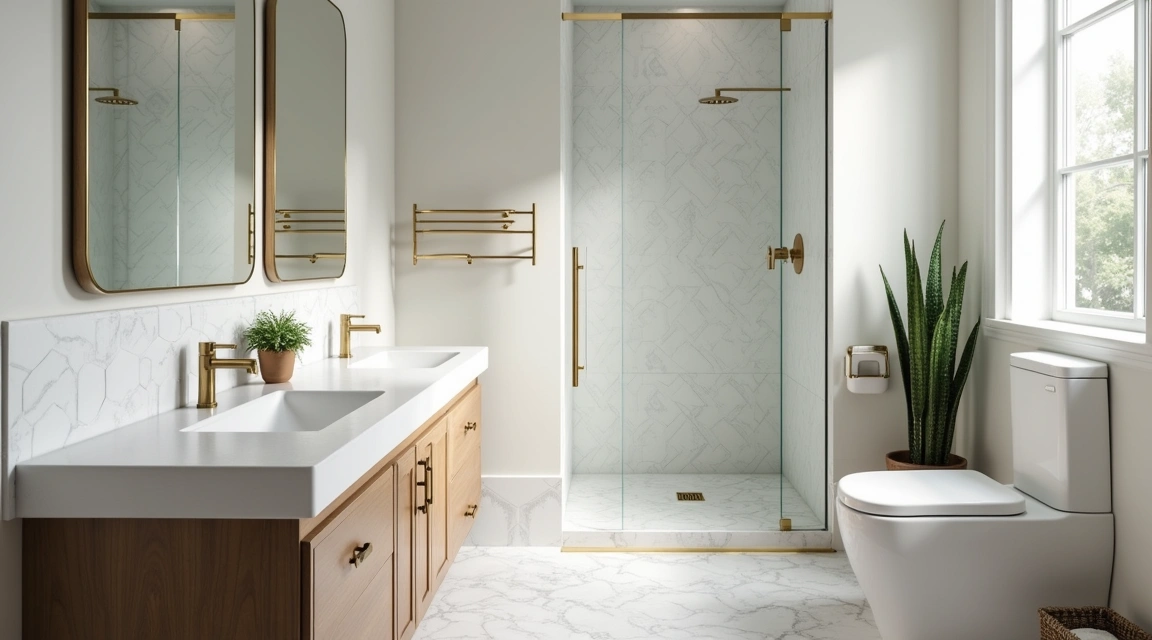
Upgrading bathroom storage can transform a chaotic morning routine into a smooth, organized start to the day for busy families. When multiple people share one bathroom, clutter accumulates quickly—toothbrushes compete for sink space, towels pile up, and cleaning supplies hide behind outdated cabinets. A thoughtful storage upgrade addresses these everyday frustrations while adding value to your home. However, many families rush into renovations without planning properly, leading to wasted space, blown budgets, and storage solutions that actually create new problems. This guide walks you through practical upgrade ideas and highlights the most common mistakes so you can avoid them entirely.
Understanding Your Family’s Actual Storage Needs
Before purchasing a single shelf or cabinet, spend one week observing how your family actually uses the bathroom. Write down what items appear on counters daily, which cabinets overflow, and where everyone naturally sets down their belongings. This real-world data reveals patterns that generic storage advice misses.
Count the number of towels, toiletries, hair tools, and cleaning products your household uses regularly. Measure the physical dimensions of bulky items like hair dryers, electric toothbrushes, and toilet paper bulk packs. Many families underestimate how much vertical space a standing hair straightener requires or how deep a drawer must be to hold full-size shampoo bottles upright.
Caution: Do not rely on memory alone when assessing storage needs. Adults often forget about children’s bath toys, step stools, potty training supplies, and seasonal items like sunscreen that require dedicated space.
Identify specific pain points for each family member. Young children may struggle to reach high shelves, while teenagers need private space for personal care items. Parents often require quick access to first-aid supplies and medications. Create a simple list grouping items by user and frequency of use—this becomes your blueprint for where to place new storage.
Consider future needs as well. If your children are young, plan for growth spurts that bring taller bodies and more grooming products. A storage system that works beautifully for a family with toddlers may fail completely when those same children become teenagers with full cosmetic routines.
Step-by-Step Storage Upgrade Process
Step 1: Declutter Completely Before Installing Anything
Remove every item from your bathroom. Sort products into four categories: keep and use regularly, keep but use occasionally, expired or damaged, and donate or discard. Expired medications, dried-out lotions, and rusty razors waste valuable storage space while creating safety hazards.
Caution: Never install new storage to accommodate clutter. Adding cabinets before decluttering simply gives you more space to hide unused items, and you will likely purchase storage that does not match your actual needs.
Step 2: Map Your Zones Based on Activity
Divide your bathroom into functional zones: the sink area for daily hygiene, the shower or tub area for bathing supplies, the toilet area for tissue and reading material, and a grooming zone for hair tools and makeup. Assign storage upgrades to each zone based on what happens there.
For the sink zone, consider a vanity upgrade with drawer dividers that separate toothbrushes, dental floss, razors, and face wash. Shallow drawers prevent items from getting buried, while deep drawers accommodate hair dryers and straighteners standing upright. Medicine cabinets with adjustable shelves maximize vertical space without protruding into the room.
Caution: Do not place heavy items on glass shelves inside medicine cabinets without checking the manufacturer’s weight limit. Overloading can cause shelves to crack or fall, creating both injury risk and water damage.
Step 3: Install Vertical Storage Where Floor Space Is Limited
Wall-mounted cabinets, floating shelves, and over-toilet storage units claim unused vertical space. Measure carefully before purchasing—many over-toilet units require specific clearances and will not fit if your toilet sits close to side walls or if the tank has an unusual shape.
Hooks mounted at varying heights accommodate family members of different ages. Place lower hooks for children to hang robes and bath towels independently, and higher hooks for adult towels and clothing. Adhesive hooks work well for rental properties, while screwed-in hooks provide more weight capacity for heavy wet towels.
Caution: Check your wall type before drilling. Drywall requires anchors for heavy shelves, while tile walls need special drill bits and techniques to prevent cracking. If you are uncertain about your wall construction, consult a professional or refer to trusted resources in bathroom remodeling before proceeding.
Step 4: Maximize Cabinet Interior Space With Organizers
The interior of existing cabinets often holds untapped potential. Stackable bins, pull-out drawers, lazy Susans, and adjustable shelf risers can double usable space without replacing the entire cabinet. Group similar items together—all hair products in one bin, all first-aid supplies in another—so family members can find what they need quickly.
Door-mounted organizers attach to the inside of cabinet doors and hold flat items like brushes, combs, and small tubes. These organizers keep frequently used items visible and accessible while freeing up shelf space for bulkier products.
Caution: Measure cabinet door clearance before installing interior door organizers. If the organizer extends too far, it will prevent the door from closing or will crush items stored on nearby shelves.
Step 5: Create Dedicated Storage for Shared Items
Busy families benefit from clearly labeled, communal storage for items everyone uses: toilet paper, hand soap refills, cleaning supplies, and extra towels. A linen closet or tall cabinet with open shelving makes it easy to see inventory at a glance, preventing the common problem of buying duplicates because no one knew supplies remained.
Use baskets or bins on open shelves to contain smaller items and create visual order. Clear containers let you see contents immediately, while opaque bins hide less attractive necessities like toilet brushes and plungers.
Caution: Keep cleaning chemicals and medications in locked or high cabinets if young children use the bathroom. Even “childproof” caps do not prevent all accidents, and safe storage remains the best protection.
Step 6: Add Specialized Storage for Personal Items
Each family member appreciates a designated personal space—a drawer, shelf, or labeled bin—for individual toiletries and grooming tools. This simple upgrade reduces morning conflicts, prevents accidental mix-ups, and teaches children organizational responsibility.
Drawer dividers turn one large drawer into several small compartments, giving each person a defined area. Color-coded bins or labels help younger children identify their space without reading. Teenagers may prefer a lockable drawer or cabinet for privacy.
Caution: Do not assign storage spaces so small that items cannot fit properly. When personal bins overflow, family members abandon the system and clutter returns to countertops.
Common Storage Upgrade Mistakes and How to Avoid Them
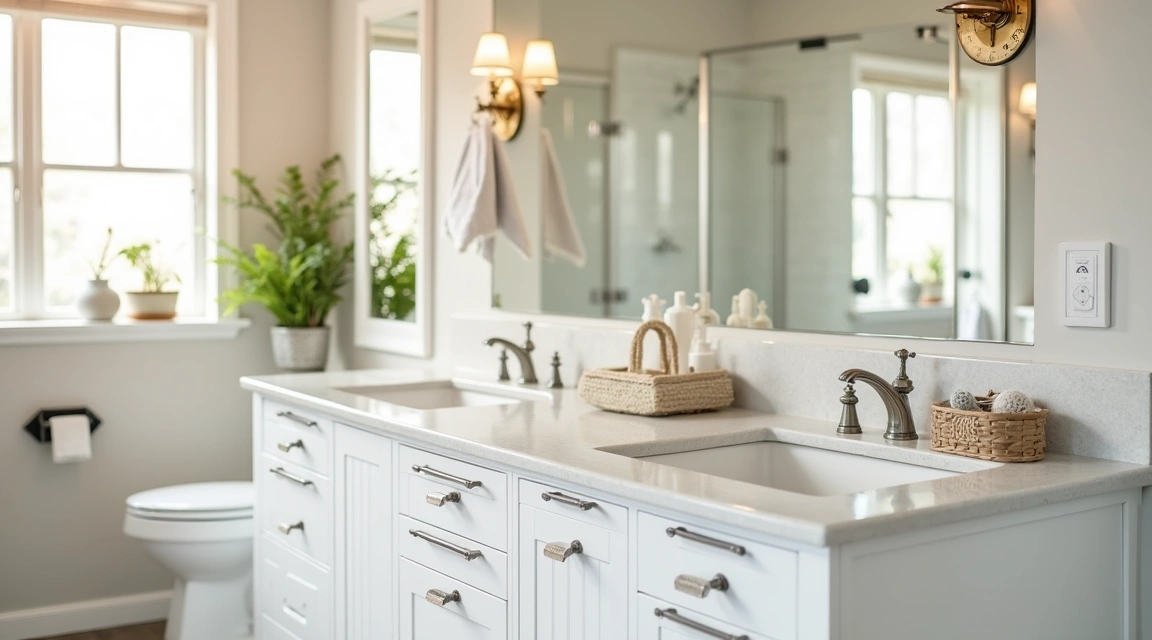
Mistake 1: Choosing Style Over Function. Beautiful woven baskets and decorative jars look appealing in photos but often prove impractical for families. Open baskets collect dust and moisture in humid bathrooms, and decorative containers without lids allow products to dry out or spill. Prioritize closed storage, moisture-resistant materials, and easy-to-clean surfaces first, then add decorative touches that do not compromise function.
Mistake 2: Ignoring Bathroom Humidity. Standard wood shelves, cardboard organizers, and unsealed particleboard cabinets warp and deteriorate quickly in steamy bathroom environments. Select storage materials designed for high-humidity spaces: sealed wood, metal with rust-resistant finishes, plastic, or moisture-resistant laminate. This durability gap explains why some storage systems last decades while others fail within months.
Mistake 3: Installing Storage That Blocks Critical Access. Over-toilet cabinets that extend too low prevent comfortable sitting. Shelves placed directly above the sink create head-bumping hazards when users bend over to wash their faces. Door-mounted organizers that protrude into walkways cause toe-stubbing injuries. Before installing any storage, simulate actual use—sit on the toilet, stand at the sink, open and close the door—to confirm the new storage does not interfere with normal activities.
Mistake 4: Underestimating Installation Difficulty. Many families purchase complex storage systems assuming installation will be quick, then discover the process requires specialized tools, wall reinforcement, or plumbing adjustments. Read installation instructions completely before buying. If the project requires skills you do not have, factor professional installation costs into your budget or choose a simpler system you can install confidently.
Mistake 5: Forgetting About Cleaning and Maintenance. Storage with intricate crevices, hard-to-reach corners, or non-removable parts becomes a cleaning nightmare in bathrooms where soap scum, toothpaste splatters, and mildew accumulate. Select storage you can wipe down quickly or remove entirely for periodic deep cleaning. Drawer organizers that lift out, shelves that slide off brackets, and cabinets with smooth interiors save hours of frustration over time.
Mistake 6: Buying Before Measuring. This mistake causes more storage upgrade failures than any other. Families purchase attractive cabinets or shelving units that simply do not fit their bathroom dimensions. Always measure the installation space three times—height, width, and depth—and compare those measurements to product specifications before ordering. Account for baseboards, light fixtures, door swing clearance, and any permanent fixtures that reduce available space.
Mistake 7: Overlooking Weight Capacity. Bathrooms contain surprisingly heavy items. A stack of thick towels, a drawer full of hair tools, or a shelf loaded with full shampoo bottles can exceed the weight limits of lightweight storage units. Check manufacturer specifications for maximum weight per shelf or drawer, and calculate the approximate weight of what you plan to store. When in doubt, choose sturdier options designed for heavier loads.
Maximizing Your Storage Investment
A successful bathroom storage upgrade balances immediate needs with long-term flexibility. Modular systems that allow you to add or rearrange components adapt as your family grows and changes. Adjustable shelving accommodates items of varying heights, while removable dividers let you reconfigure drawers when storage needs shift.
Quality materials cost more initially but save money over time by eliminating the need for frequent replacements. A well-constructed vanity with soft-close drawers, moisture-resistant finish, and solid construction will outlast three or four cheap alternatives while providing a better user experience every single day.
Maintain your upgraded storage by establishing simple routines: wipe down shelves weekly, check for expired products monthly, and reassess organization systems seasonally. These small habits prevent clutter from creeping back and ensure your investment continues delivering value.
Remember that perfect storage does not mean every item has a hidden place. Some frequently used items belong on countertops for convenience—hand soap, tissues, and daily medications, for example. The goal is organized accessibility, not sterile minimalism that forces your family to dig through drawers for basics.
By understanding your family’s specific needs, avoiding common mistakes, and implementing storage strategically, you create a bathroom that supports busy schedules rather than adding stress to them. The time invested in thoughtful planning pays dividends every rushed morning when everyone finds exactly what they need exactly where they expect it.