
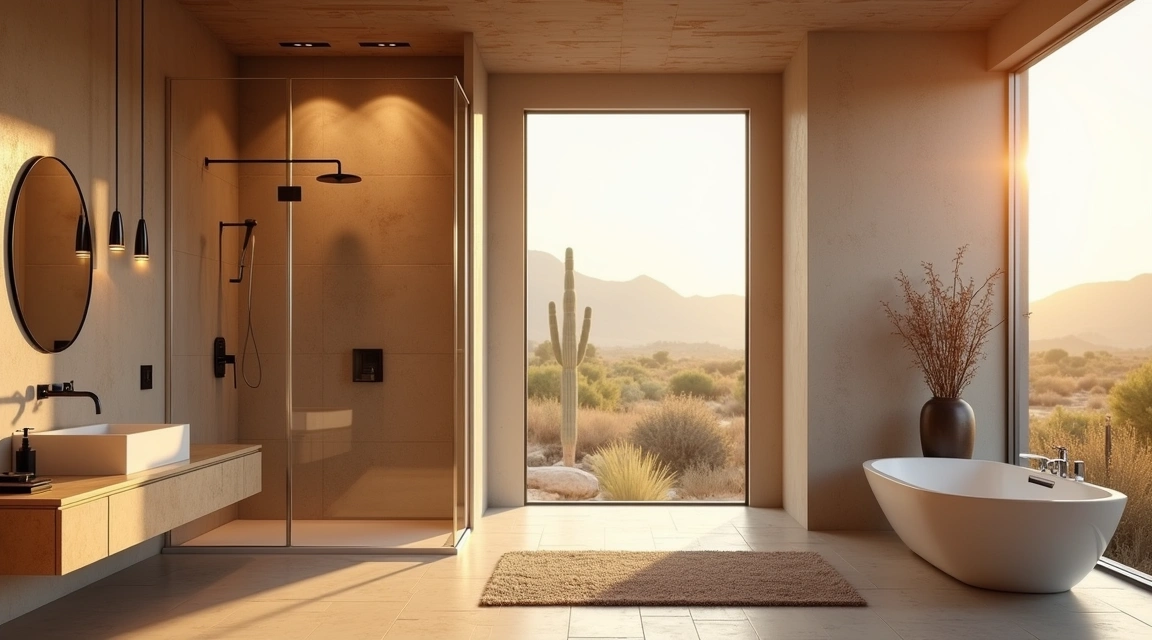
Ultimate Guide to Modern Walk-In Shower Transformations
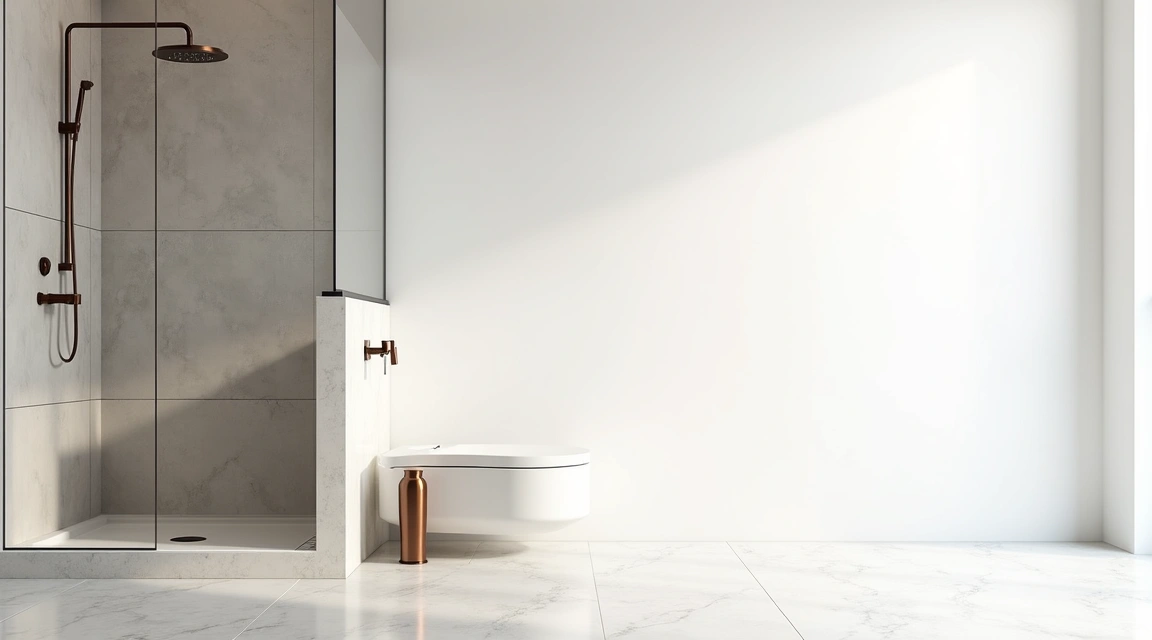
Walk-in showers have evolved from simple bathroom fixtures into statement-making design elements that define luxury and functionality. As homeowners increasingly prioritize spa-like experiences at home, understanding current design trends helps you create a shower space that’s both beautiful and practical for years to come.
This comprehensive guide examines the latest walk-in shower trends, comparing popular design approaches and helping you identify which style best suits your space, budget, and lifestyle.
Key Criteria for Evaluating Walk-In Shower Designs
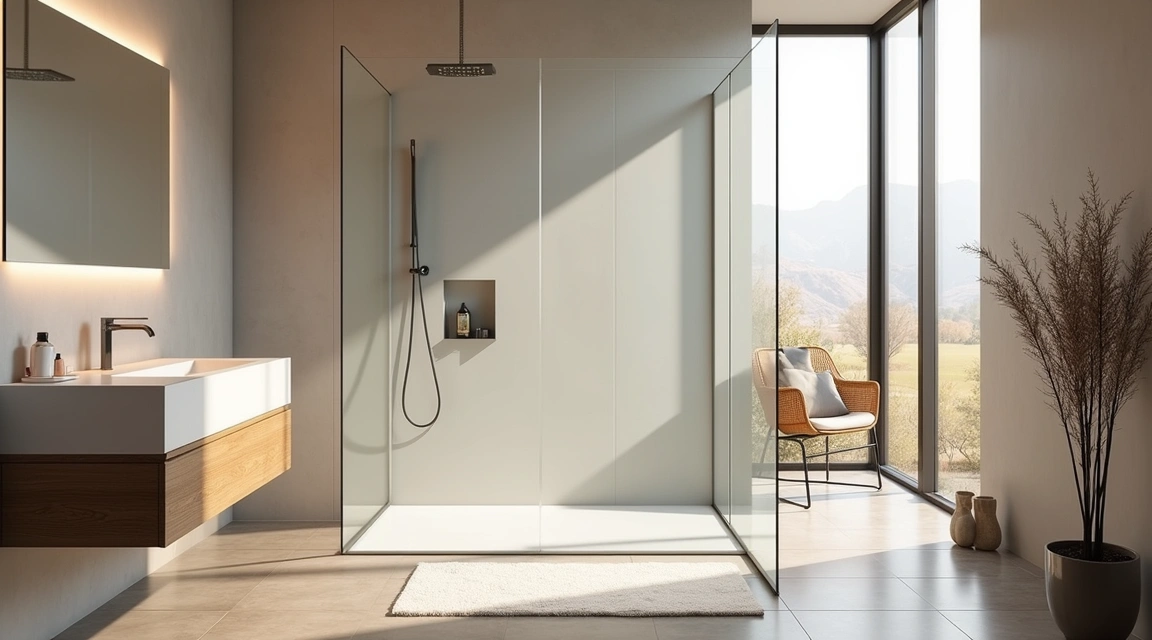
Before diving into specific trends, consider these essential factors that determine whether a design trend will work for your bathroom:
Spatial Requirements: Walk-in showers typically need a minimum footprint of 36×36 inches, though 48×60 inches provides a more comfortable, luxurious experience. Consider your bathroom’s existing layout and whether structural changes are feasible.
Water Management: Effective drainage and splash control are non-negotiable. Curbless designs require precise floor pitching, while partially enclosed options offer more flexibility in moisture control.
Maintenance Commitment: Different materials and configurations demand varying levels of upkeep. Large-format tiles minimize grout lines, while intricate mosaic patterns create stunning visuals but require more cleaning effort.
Budget Allocation: Walk-in shower renovations range from $3,000 for basic conversions to $15,000+ for custom luxury installations. Material choices, plumbing relocations, and structural modifications significantly impact final costs.
Longevity and Resale: Some trends offer timeless appeal, while others may date quickly. Balance personal preference with designs that maintain broad appeal for future buyers.
Comparing Today’s Top Walk-In Shower Design Approaches
| Design Trend | Best For | Price Range | Maintenance | Longevity |
|---|---|---|---|---|
| Minimalist Curbless | Modern homes, aging-in-place, small bathrooms seeking openness | $–$ | Low (large-format tiles) | Excellent – timeless appeal |
| Natural Stone Spa | Luxury renovations, homeowners seeking organic aesthetics | $–$ | Medium-High (sealing required) | Very Good – classic luxury |
| Black Framed Glass | Contemporary spaces, industrial-modern aesthetics | $–$ | Medium (hard water marks) | Good – currently popular |
| Mixed Material | Eclectic tastes, personalized spaces | $–$ | Varies by materials | Good – depends on combinations |
| Smart Tech Integration | Tech enthusiasts, luxury builds | $–$ | Low physical, High tech maintenance | Evolving – features improve rapidly |
The Curbless Revolution: Barrier-Free Luxury
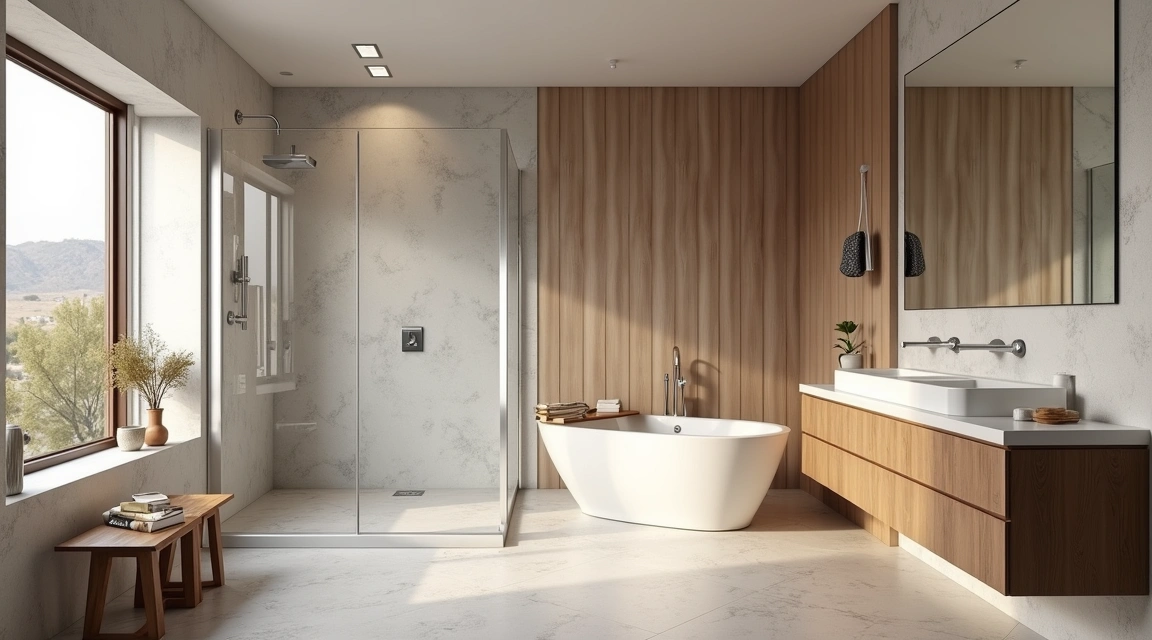
The curbless or zero-threshold shower represents perhaps the most significant shift in walk-in design. This seamless approach eliminates the traditional lip between bathroom floor and shower, creating visual continuity that makes bathrooms appear larger and more cohesive.
Why it’s trending: Universal design principles have moved from accessibility necessity to mainstream luxury. The continuous floor plane creates a hotel-bathroom aesthetic that feels sophisticated rather than clinical.
Implementation considerations: Proper execution requires meticulous floor pitching (typically 1/4 inch per foot) to prevent water escape. Linear drains positioned strategically along one wall manage water flow more effectively than center drains. Homeowners in second-story bathrooms should verify that floor joists can accommodate the necessary slope without compromising structural integrity.
Best applications: This design excels in master bathrooms, wet rooms, and spaces where mobility assistance may become important. It’s particularly valuable in smaller bathrooms where visual continuity creates the illusion of expanded square footage.
Material Trends Shaping Modern Showers
Large-Format Porcelain Slabs: The shift toward 24×48-inch or even full-height panels dramatically reduces grout lines, creating sleek, contemporary surfaces that resist moisture penetration and simplify cleaning. Many manufacturers now offer book-matched slabs that mimic natural marble or granite with superior durability.
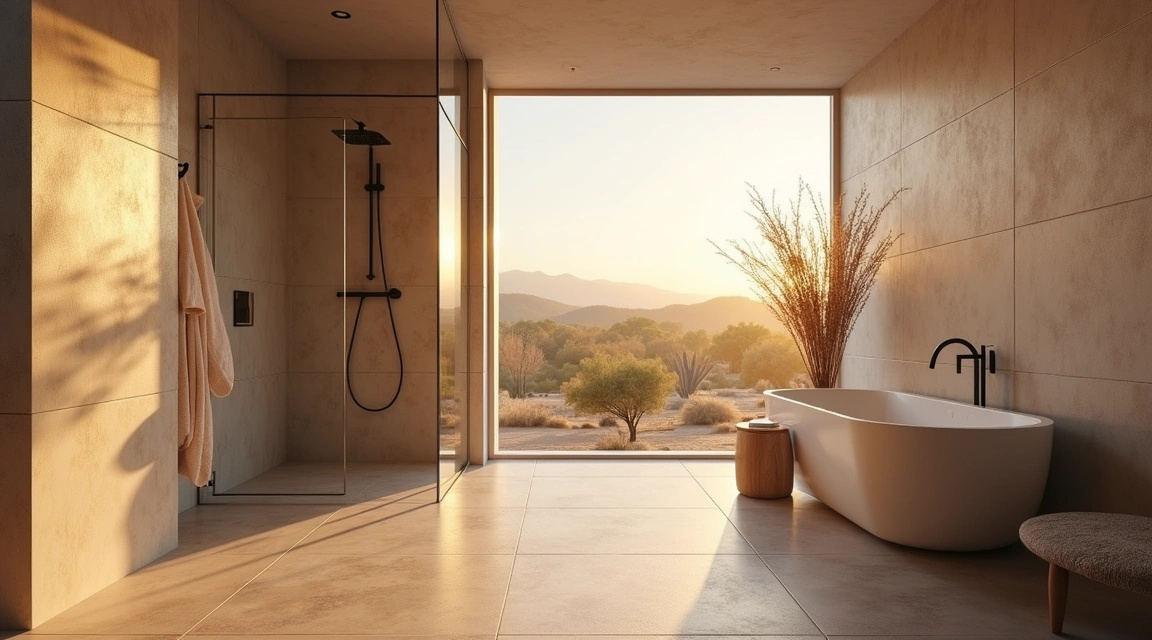
Warm-Toned Natural Stone: While white marble dominated for years, warmer limestone, travertine, and quartzite now bring organic warmth. These materials require proper sealing but deliver authentic texture and variation that manufactured products can’t replicate.
Terrazzo Comeback: This composite material—once relegated to mid-century nostalgia—returns in contemporary formulations with larger aggregate chips and subtle color palettes. Its inherent slip resistance and durability make it exceptionally practical for shower floors.
Mixed Finishes: Combining matte and glossy tiles, or integrating wood-look porcelain with stone, creates visual interest without overwhelming spaces. The key is maintaining cohesion through color family or undertone consistency.
Hardware and Fixture Evolution
Matte Black Fixtures: This finish continues strong momentum, offering dramatic contrast against light tile and hiding water spots better than polished chrome. However, consider that trends shift—brushed nickel and brass provide more timeless alternatives.
Statement Showerheads: Oversized rainfall heads (10-12 inches) paired with handheld options create flexible shower experiences. Thermostatic controls maintain consistent temperatures, eliminating the dangerous guesswork of traditional single-handle mixers.
Body Jets and Digital Controls: Integrated body sprays transform daily showers into spa experiences, while digital interfaces allow precise temperature programming and water flow customization.
Lighting Design: The Overlooked Essential
Proper lighting dramatically impacts shower ambiance and functionality. Current trends emphasize:
Recessed LED Strips: Installed in niches or along ceiling perimeters, these provide soft, diffused illumination without harsh overhead glare.
Color Temperature Selection: Warm white (2700-3000K) creates relaxing environments, while daylight tones (5000K) offer accurate color rendering for grooming tasks.
Waterproof Ratings: All shower lighting must carry appropriate IP (Ingress Protection) ratings—typically IP65 or higher for direct water exposure zones.
Recommendations by Homeowner Type
For Traditional Aesthetic Lovers: Choose timeless marble or subway tile in neutral palettes with classic chrome or brushed nickel fixtures. Avoid overly trendy colors or patterns. A curbed entry with clear glass enclosure provides familiarity while feeling updated.
For Modern Minimalists: Embrace the curbless design with large-format concrete-look porcelain, matte black fixtures, and minimal hardware. Linear drains and frameless glass maximize clean lines.
For Budget-Conscious Renovators: Prioritize quality where it matters—waterproofing and fixtures—while economizing on tile outside the immediate shower zone. Standard 12×24-inch porcelain offers contemporary proportions at accessible prices. Skip expensive digital controls initially; quality thermostatic valves provide excellent performance.
For Aging-in-Place Planning: Invest in curbless entry, non-slip flooring, and reinforced walls for future grab bar installation. Handheld showerheads and built-in seating aren’t just practical—they’re increasingly standard in luxury designs.
For Resale-Focused Upgrades: Stick with neutral colors and proven materials. White or light gray tile with subtle veining appeals broadly. Modern finishes like matte black can work if your home’s overall style supports it, but brushed nickel remains the safest choice.
The Verdict: Balancing Trends with Timelessness
The most successful walk-in shower designs balance current aesthetics with enduring functionality. While specific finishes and fixtures cycle through popularity, fundamental principles remain constant: proper waterproofing, adequate size, quality materials, and thoughtful lighting never go out of style.
The curbless shower with large-format tiles represents the sweet spot—contemporary enough to feel current, practical enough to serve multiple decades. Pair this foundation with mid-range trend adoption in fixtures and accents, which can be updated more easily than structural elements.
Ultimately, your walk-in shower should reflect how you actually live. A stunning Instagram-worthy design that doesn’t function well for your daily routine represents a failed renovation, regardless of trend alignment. Prioritize your genuine needs, then layer in design elements that bring joy without compromising practicality.
The walk-in shower trends of 2024 and beyond emphasize accessible luxury, reduced maintenance, and personalized experiences—principles that serve homeowners well regardless of shifting aesthetic fashions.