
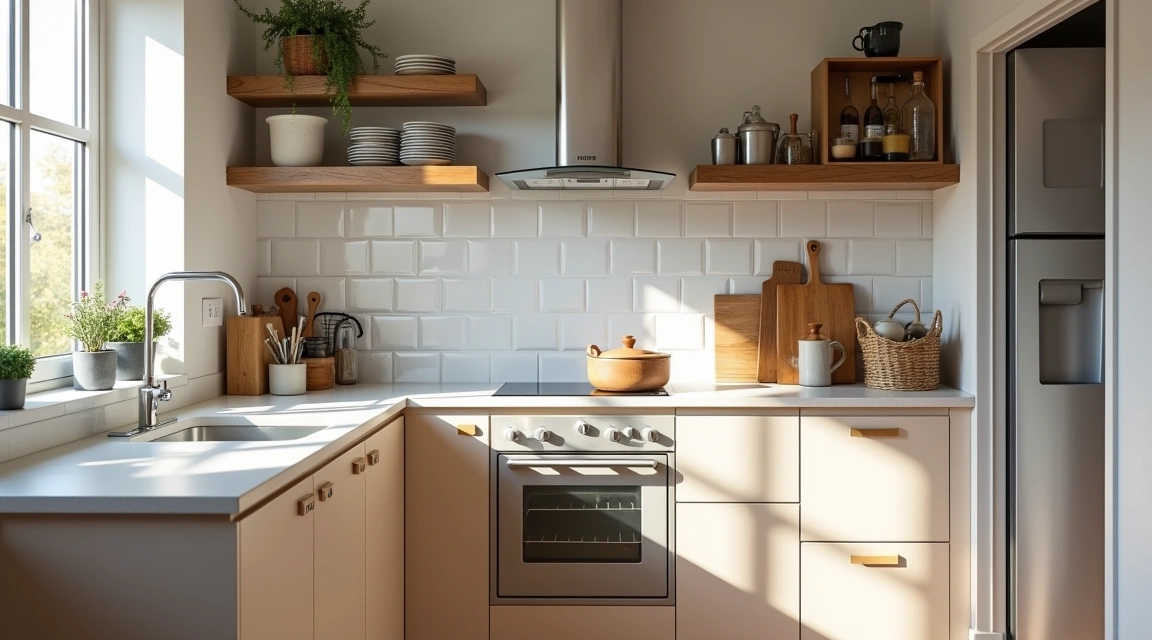
When I moved into my current apartment three years ago, I thought I could make do with the tiny galley kitchen. Within weeks, I was stacking pots inside mixing bowls, shoving utensils into drawers so overstuffed they barely closed, and constantly rearranging countertops just to find space to chop vegetables. Sound familiar? Small kitchen storage upgrades became my obsession—not the gut-renovation kind, but smart, affordable solutions that actually worked.
After testing dozens of organizers, shelves, and clever gadgets, I’ve learned what genuinely maximizes space versus what just clutters things further. Some upgrades transformed my workflow completely, while others looked great on Instagram but failed in real life. Here’s what I’ve discovered about making a small kitchen genuinely functional without spending thousands or losing your security deposit.
The Storage Upgrades That Actually Deliver
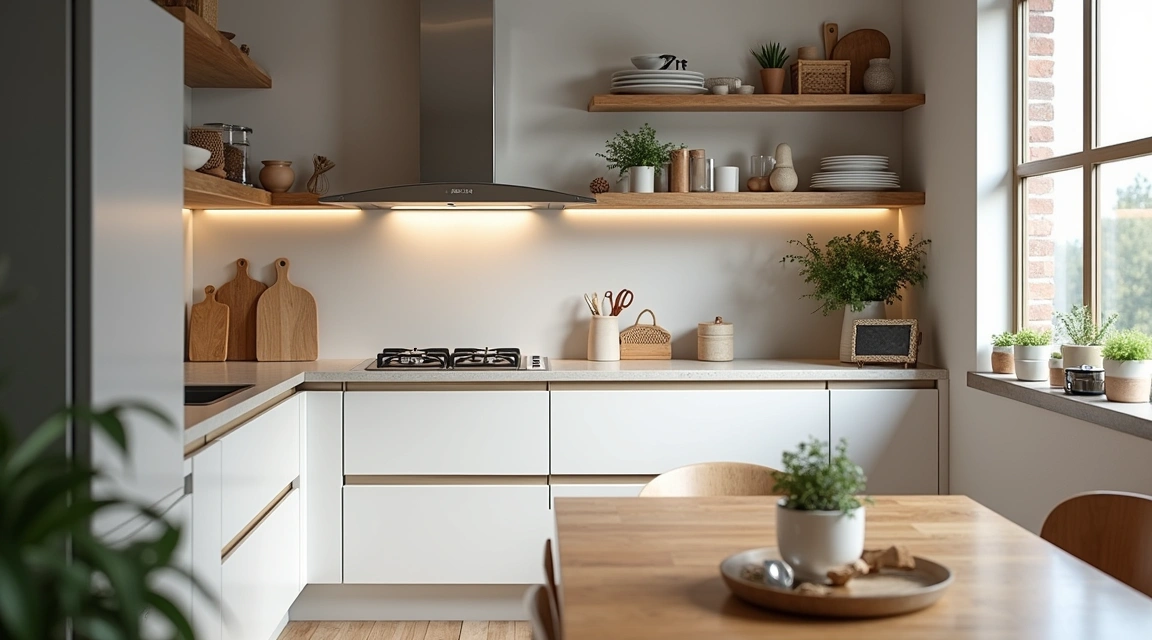
The single best investment I made was a three-tier rolling cart. I bought my first one for the narrow gap between my fridge and counter, and it immediately housed oils, vinegars, spices, and baking supplies that previously crowded my limited counter space. When I needed more room, I bought a second cart for the opposite wall to hold small appliances and serving bowls. The mobility matters more than you’d think—I roll one cart into the dining area when hosting to create a drink station, then tuck it back afterward.
Under-shelf baskets changed my cabinet game entirely. These wire baskets hook onto existing shelves, creating an additional tier without any installation. I use them for stacking plates, storing coffee pods, and organizing snack bags. They cost about ten dollars each and instantly doubled my usable cabinet space. The key is measuring your shelf height first—I learned this the hard way when my first purchase didn’t fit.
Magnetic knife strips freed up my entire knife block’s footprint. Mounted on the wall beside my prep area, the strip holds not just knives but also metal measuring spoons, kitchen shears, and even small whisks. This upgrade required drilling into the wall (landlords, skip ahead), but renters can use heavy-duty adhesive strips rated for the weight. Just ensure proper placement—I initially mounted mine too high and struggled to reach my chef’s knife comfortably.
Drawer dividers seem boring until you experience the luxury of opening a utensil drawer where everything has a designated spot. Expandable bamboo dividers cost less than twenty dollars and prevent the frustrating jumble that wastes time during cooking. I organized mine by function: one section for cooking utensils, another for serving pieces, a third for measuring tools. The time saved searching for the right spatula adds up surprisingly fast.
Over-the-door organizers work beautifully for pantry items, cleaning supplies, or cutting boards. I mounted one inside my pantry door for spices, which previously consumed an entire shelf. Seeing everything at once eliminated duplicate purchases—I discovered I owned four containers of garlic powder scattered across different shelves. Choose clear pockets or open baskets so you actually remember what’s stored there.
The Storage Solutions That Fell Short
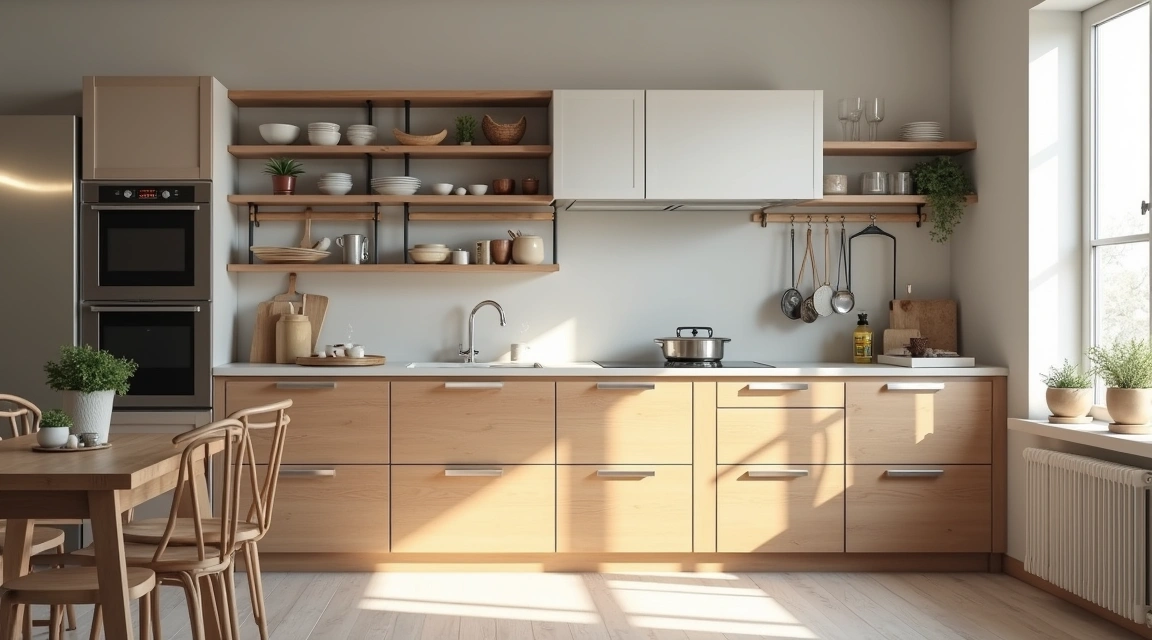
Not every upgrade lived up to its promise. Stackable corner shelves seemed brilliant for maximizing awkward cabinet corners, but accessing anything beyond the front item became such a hassle that I stopped using the back portions entirely. The constant restacking to retrieve one item negated any space savings. Pull-out corner organizers work better if you’re willing to invest more.
Hanging pot racks looked gorgeous in photos but created two problems in my kitchen. First, the ceiling height meant I constantly bumped my head on dangling cookware. Second, exposed pots collected dust and cooking grease, requiring constant cleaning. Unless you have high ceilings and cook infrequently, reconsider this Instagram-favorite option.
Adhesive hooks proved unreliable for anything heavier than measuring cups. I tried using them for hanging mugs and lightweight pots, but they failed within weeks despite following package instructions. The fallen items damaged my tile backsplash, costing more to repair than proper mounting hardware would have cost initially. For renters, Command hooks work for very light items only—set realistic weight expectations.
Countertop organizers intended to hold utensils or spices often consumed more space than they saved. That aesthetic ceramic crock holding three wooden spoons occupied prime real estate better used for actual food prep. I learned to be ruthless: if an organizer takes up counter space, it must store multiple items in a smaller footprint than they’d occupy otherwise.
Who Benefits Most From Small Kitchen Storage Upgrades
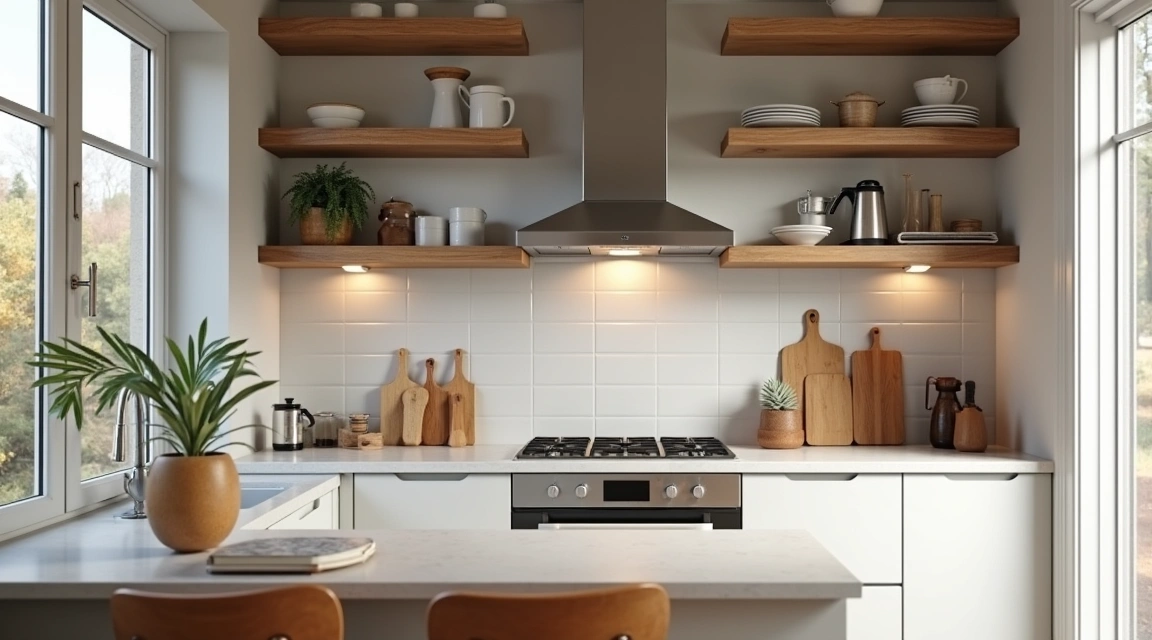
These solutions work best for renters in older apartments with minimal built-in storage, where major renovations aren’t options. If you’re constantly running out of counter space, struggling to find ingredients, or considering eating out because cooking feels too cramped, targeted storage upgrades provide immediate relief without contractor invoices.
Home cooks who’ve accumulated equipment over the years but lack space for everything benefit enormously. I watched my parents transform their dated kitchen using rolling carts, magnetic strips, and drawer organizers—no demolition required. They freed up enough space to finally use their stand mixer regularly instead of keeping it boxed in the basement.
These upgrades also suit anyone avoiding full renovations due to budget, time constraints, or uncertainty about staying long-term. My friend implemented several solutions before deciding whether to remodel or move, and the improvements made her kitchen functional enough that she postponed both decisions by two years.
However, if you’re planning a gut renovation anyway, invest in custom built-in storage instead of temporary solutions. And if your kitchen already has abundant modern cabinetry, you probably need better organization systems rather than additional storage pieces.
Frequently Asked Questions
What’s the most cost-effective storage upgrade for tiny kitchens?
Under-shelf baskets deliver the best bang-per-buck ratio. For ten to fifteen dollars each, they instantly create additional storage tiers inside existing cabinets without any installation. Start with two or three baskets in your most-used cabinets and expand from there. Measure your shelf heights before purchasing to avoid returns.
Can renters make these upgrades without losing their security deposit?
Absolutely. Most effective solutions require no permanent modifications: rolling carts, under-shelf baskets, drawer dividers, and adhesive organizers install and remove without damage. For items requiring wall mounting like magnetic knife strips, use Command strips rated for the appropriate weight, or ask your landlord about permission for small holes—many allow them if you patch and paint upon moving out.
How do I know which storage upgrades my kitchen actually needs?
Spend one week noting every time you feel frustrated by lack of space—can’t find a utensil, no counter space for prep work, can’t reach items in back of cabinets. These pain points reveal your priority upgrades. My biggest frustration was cluttered counters, so rolling carts provided the most impact. Focus your budget on solving your specific bottlenecks rather than buying every organizational gadget available.