
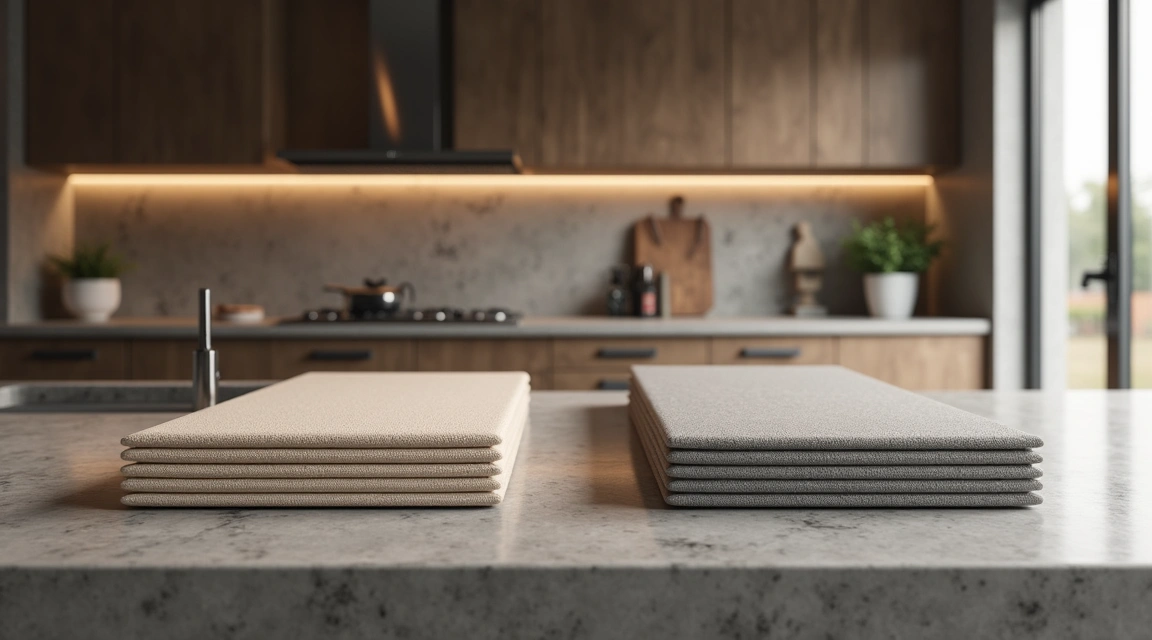
Choosing the right countertop material is one of the most important decisions you’ll make during a kitchen or bathroom remodel. Your countertops affect not only the visual appeal of your space but also its functionality, maintenance requirements, and resale value. With dozens of materials available—from classic granite to innovative engineered surfaces—understanding the strengths and limitations of each option helps you make an informed investment that aligns with your lifestyle, budget, and design preferences.
According to the National Kitchen & Bath Association, countertops represent approximately 10-15% of a total kitchen remodel budget, making them a significant financial consideration. Industry data from Houzz’s 2024 Kitchen Trends Study indicates that homeowners spend an average of $3,000 to $8,500 on kitchen countertops, with material choice being the primary cost driver. Recent surveys by Kitchen & Bath Design News show evolving preferences, with 42% of designers reporting increased demand for quartz surfaces, while natural stone maintains strong appeal among luxury remodelers.
This comprehensive comparison examines the most popular countertop materials available today, evaluating each based on durability, maintenance, cost, appearance, and practical performance in real-world kitchen and bathroom environments.
Natural Stone: Granite, Marble, and Soapstone
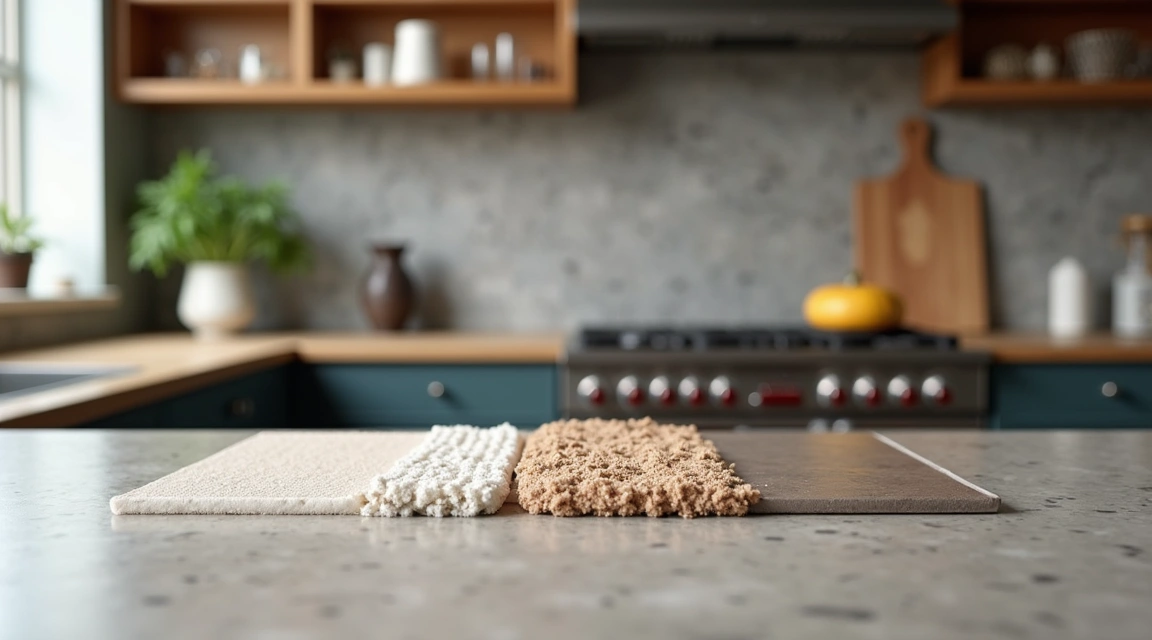
Natural stone countertops have dominated the market for decades, offering unmatched beauty and inherent uniqueness. Each slab tells a geological story, with patterns and colors that can never be exactly replicated.
Granite remains one of the most popular natural stone choices, valued for its exceptional hardness and heat resistance. Ranking 6-7 on the Mohs hardness scale, granite withstands daily kitchen activities including hot pots, knife work, and heavy use. The material’s natural porosity requires periodic sealing—typically once or twice annually—to prevent staining from oils, wine, and acidic substances. Granite costs range from $40 to $200 per square foot installed, depending on color rarity and origin. Consumer Reports testing confirms granite’s scratch resistance outperforms most other materials, though it can chip if struck with sufficient force along edges or corners.
Marble delivers timeless elegance but demands more careful maintenance. Composed primarily of calcium carbonate, marble is softer than granite (3-5 on the Mohs scale) and highly susceptible to etching from acidic substances like lemon juice, vinegar, and even some cleaning products. Real Simple’s recent expert survey identified marble as a material that adds substantial aesthetic appeal but may not maximize resale value in households with active kitchens. Marble works beautifully in low-traffic areas, bathroom vanities, or for homeowners who embrace the patina that develops over time. Expect to invest $50 to $250 per square foot installed for quality marble countertops.
Soapstone offers a distinctive alternative with its smooth, soap-like texture and rich, dark coloring. Unlike granite and marble, soapstone is non-porous and naturally stain-resistant without sealing. According to The Spruce’s design analysis, soapstone has experienced renewed popularity in 2024-2025, particularly among homeowners seeking non-toxic, low-maintenance natural materials. The material does scratch relatively easily but can be sanded and re-oiled to restore its appearance. Soapstone typically costs $70 to $150 per square foot installed and develops a natural patina that many homeowners find desirable.
Engineered Surfaces: Quartz and Solid Surface
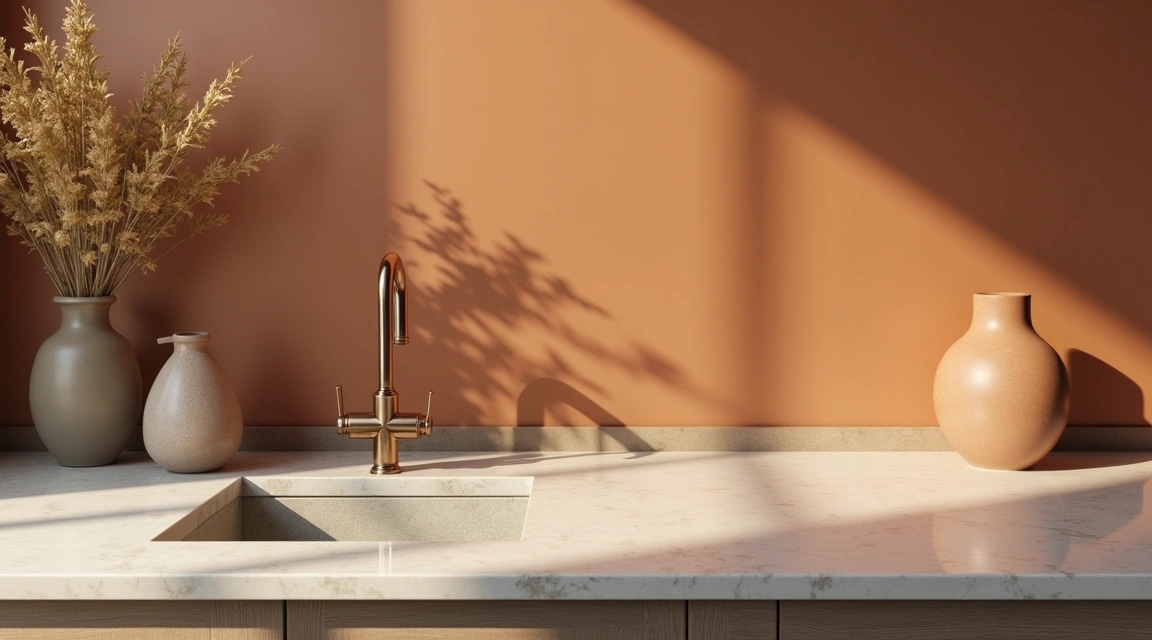
Engineered countertops combine natural minerals with resins and pigments, offering consistency and performance advantages over purely natural materials.
Quartz (engineered stone) has become the fastest-growing segment in the countertop market, with brands like Caesarstone, Silestone, and Cambria leading the category. Composed of approximately 90-95% ground natural quartz crystals bound with polymer resins, these surfaces are non-porous, require no sealing, and resist staining exceptionally well. Consumer Reports ranks quartz among the top materials for overall performance, noting its resistance to scratches, stains, and bacteria growth. The 2026 Kitchen Countertop Trends survey by KBDN shows quartz maintaining its position as the most specified material among kitchen designers, with 47% market share.
Quartz offers remarkable design flexibility, available in colors and patterns ranging from solid whites to realistic marble and granite lookalikes. The material’s main limitation is heat sensitivity—hot pots placed directly on the surface can cause discoloration or damage to the resin binders. Additionally, quartz cannot be used outdoors as UV exposure degrades the resins over time. Installed costs typically range from $60 to $150 per square foot, positioning quartz as a mid-to-premium option with excellent value for maintenance-averse homeowners.
Solid surface materials like Corian represent an earlier generation of engineered countertops. Composed of acrylic polymers and natural minerals, solid surface offers seamless installation possibilities and integrated sink fabrication. The material is non-porous, repairable, and available in numerous colors and patterns. However, solid surface scratches more easily than quartz or granite and shows less heat resistance. Costs range from $40 to $80 per square foot installed, making it an economical choice for budget-conscious remodelers. Modern solid surface materials have improved significantly since their 1960s introduction, though market share has declined as quartz gained popularity.
Budget-Friendly and Specialty Options
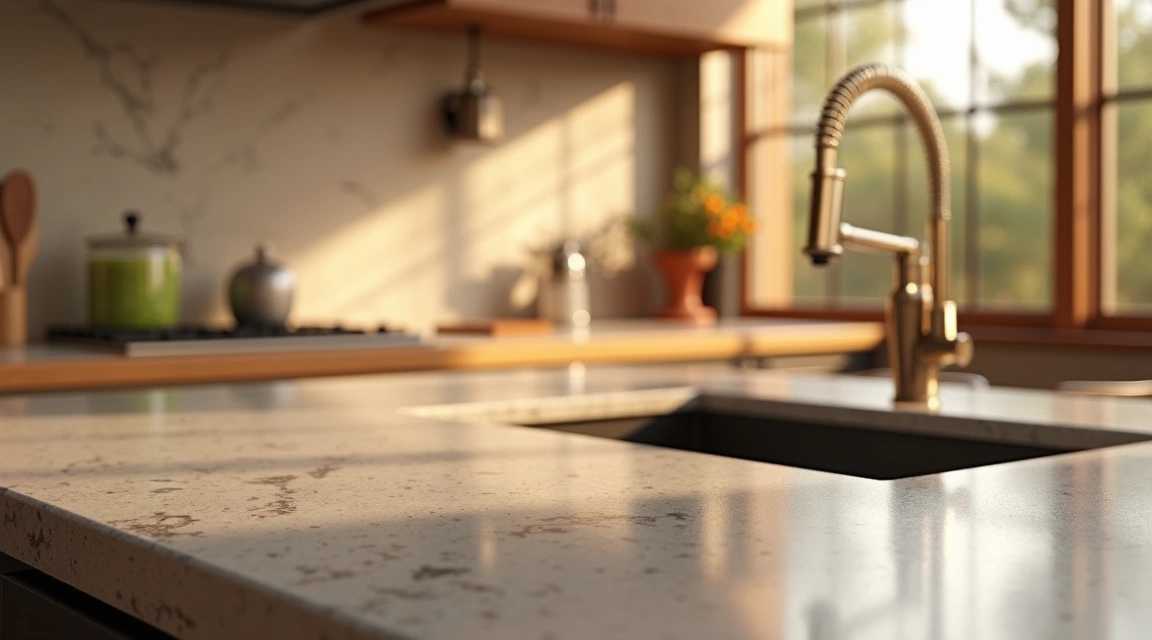
Laminate countertops have evolved dramatically from their 1980s reputation. Modern laminates feature high-definition printing that convincingly mimics stone, wood, and concrete textures. Wilsonart, Formica, and other manufacturers now offer products with enhanced durability, improved edge treatments, and antimicrobial properties. Laminate costs just $20 to $50 per square foot installed, making it the most budget-friendly option. While laminate cannot match stone’s prestige or durability, it performs adequately for light-use kitchens, rentals, or temporary solutions. The material is vulnerable to heat damage, moisture penetration at seams, and cannot be refinished if damaged.
Butcher block and wood countertops introduce warmth and natural character to kitchens. Maple, walnut, cherry, and bamboo are popular choices, typically costing $50 to $150 per square foot installed. Wood requires regular maintenance including oiling or sealing, and is susceptible to water damage, staining, and knife marks. However, wood surfaces can be sanded and refinished multiple times throughout their lifespan. Many homeowners use wood strategically on kitchen islands or specific work zones rather than for all countertops.
Concrete allows for complete customization in color, texture, and embedded details. Popular in contemporary and industrial-style kitchens, concrete costs $75 to $150 per square foot for professionally installed surfaces. The material requires proper sealing and periodic maintenance to prevent staining. Concrete’s weight necessitates reinforced cabinetry, and the material can develop hairline cracks over time—considered part of its character by some, a flaw by others.
Porcelain slabs represent one of the newest entrants in the countertop market. Large-format porcelain slabs offer extreme durability, heat resistance up to 500°F, UV stability for outdoor use, and convincing reproductions of marble and other natural stones. At $60 to $200 per square foot installed, porcelain competes directly with premium natural stone and quartz while offering superior stain and heat resistance. The material’s brittleness during installation and limited fabricator availability currently limit its market penetration, though industry experts predict significant growth in coming years.
Comprehensive Material Comparison
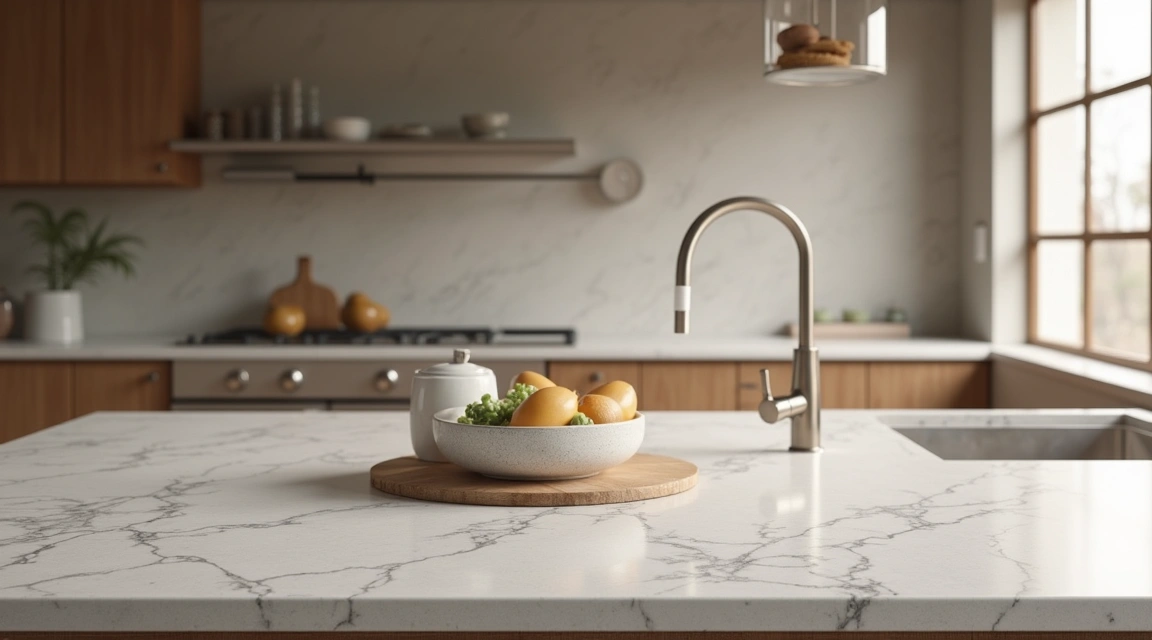
| Material | Cost per SF (Installed) | Durability Rating | Maintenance Level | Heat Resistance | Stain Resistance | Best Application |
|---|---|---|---|---|---|---|
| Granite | $40-$200 | Excellent | Moderate (requires sealing) | Excellent | Good (when sealed) | High-traffic kitchens, resale value |
| Marble | $50-$250 | Good | High (frequent sealing, careful use) | Good | Poor (etches easily) | Bathrooms, baking zones, luxury aesthetics |
| Soapstone | $70-$150 | Good | Low to moderate (oiling) | Excellent | Excellent | Natural aesthetic lovers, low-maintenance preference |
| Quartz | $60-$150 | Excellent | Very low | Moderate (avoid direct heat) | Excellent | Busy families, low-maintenance priority |
| Solid Surface | $40-$80 | Good | Low | Moderate | Very good | Seamless designs, integrated sinks |
| Laminate | $20-$50 | Fair | Low | Poor | Fair | Budget remodels, rental properties |
| Butcher Block | $50-$150 | Fair to good | High (regular oiling) | Poor | Poor to fair | Prep zones, warm aesthetic accent |
| Concrete | $75-$150 | Good | Moderate (requires sealing) | Excellent | Moderate (when sealed) | Custom designs, contemporary styles |
| Porcelain Slab | $60-$200 | Excellent | Very low | Excellent | Excellent | Indoor/outdoor, high-performance needs |
Making Your Decision: Key Considerations
Selecting the optimal countertop material requires balancing multiple factors specific to your situation. Start by honestly assessing your lifestyle and usage patterns. Households with young children, frequent cooking, and casual entertaining benefit from durable, forgiving materials like quartz or granite. If you’re an avid baker, a dedicated marble section provides an ideal cool surface for pastry work while using more practical materials elsewhere.
Budget considerations extend beyond initial installation costs. Factor in long-term maintenance expenses, including sealing, specialized cleaning products, and potential repairs or refinishing. A $50-per-square-foot quartz countertop requiring minimal maintenance may prove more economical over ten years than a $40-per-square-foot granite requiring annual sealing and more frequent repairs.
Resale value matters for many homeowners. Real estate professionals consistently report that quality countertops—particularly granite and quartz—generate positive buyer responses and contribute to higher home valuations. According to Remodeling Magazine’s 2024 Cost vs. Value Report, minor kitchen remodels including countertop upgrades recoup approximately 72% of their cost at resale in most U.S. markets. However, extremely personal or trendy choices may limit appeal to future buyers.
Visual compatibility with your overall design should guide material selection. Consider cabinet colors, flooring, backsplash plans, and architectural style. Bring home samples and view them in your actual lighting conditions—natural stone and even engineered materials can appear dramatically different under showroom lights versus your home’s specific illumination.
Finally, consider environmental factors if sustainability matters to you. Natural stone requires quarrying and transportation but contains no synthetic chemicals and lasts for decades. Quartz contains resins and requires energy-intensive manufacturing but offers extreme durability. Recycled glass, paper composite, and reclaimed wood options provide eco-conscious alternatives, though often at premium prices or with performance compromises.
The countertop material you choose will influence your daily kitchen experience for years or decades to come. By understanding each material’s genuine characteristics—beyond marketing claims—you can select a surface that delivers the performance, appearance, and value that matches your priorities. Whether you prioritize minimal maintenance, natural beauty, budget efficiency, or resale value, today’s diverse material options ensure a solution exists for virtually every kitchen and bathroom remodeling project.